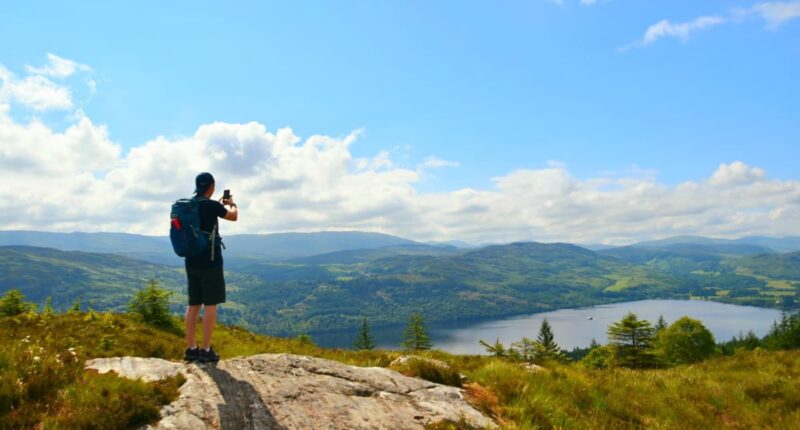
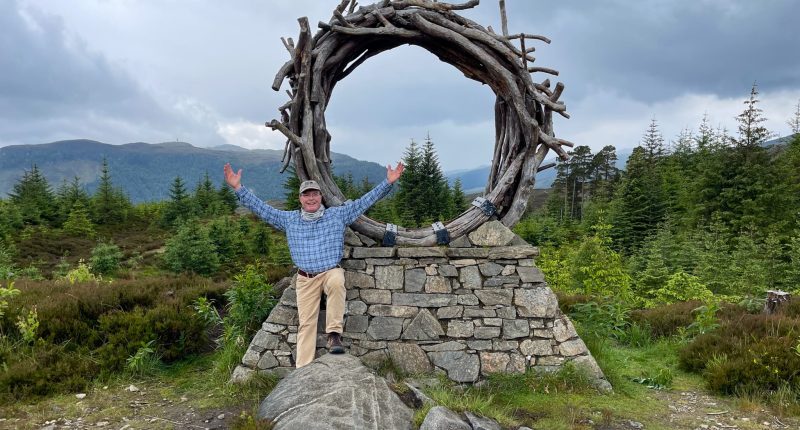
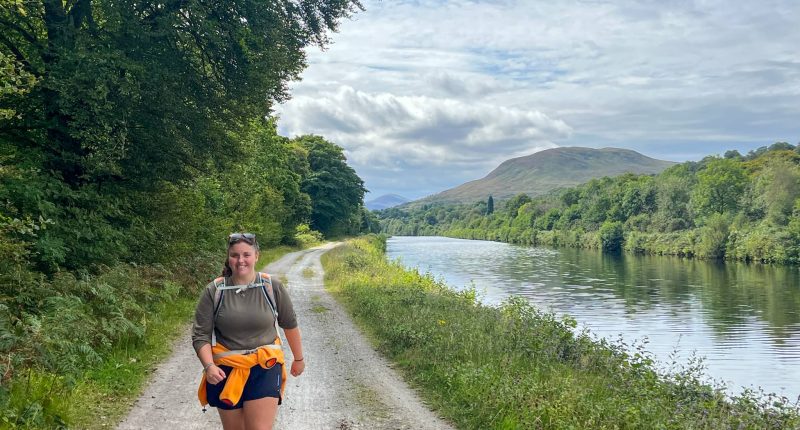
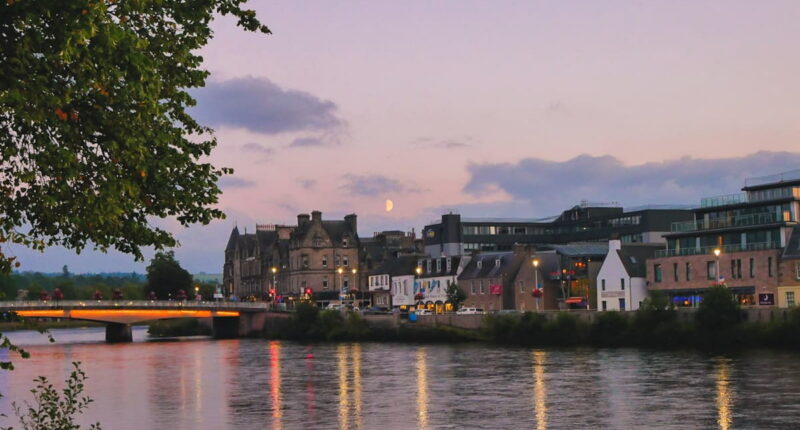
Both are iconic long-distance trails through the Scottish Highlands. Both offer rewarding days amongst stunning scenery, welcoming accommodation, and a real sense of journey. Yet the experience of walking each is quite different.
If you’re considering a self-guided walking holiday, Absolute Escapes is an excellent choice. Established in Scotland in 2004, we specialise in meticulously planned self-guided walking tours, arranging delightful accommodation and seamless luggage transfers so you can focus all your attention on enjoying the trail.
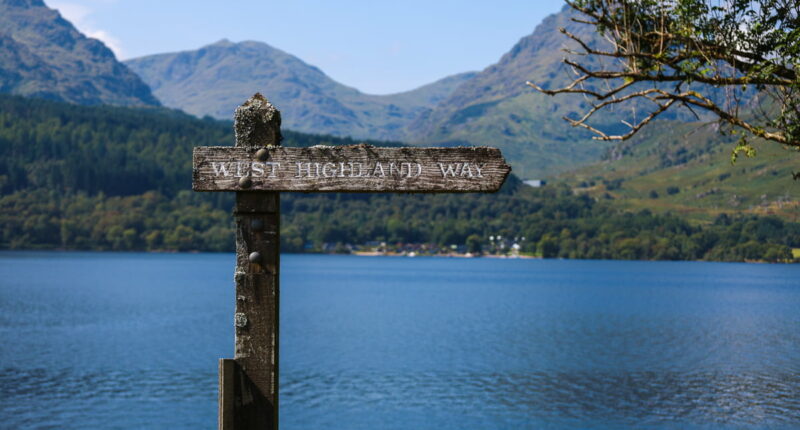
The West Highland Way is Scotland’s best-known long-distance route. It is dramatic, varied and, at times, physically demanding.
The Great Glen Way follows a natural fault line across the Highlands, linking lochs and canal paths in a steadier, more linear progression.
If you are weighing up the two, read on as we compare the West Highland Way vs Great Glen Way, exploring the differences in distance, difficulty, scenery and overall walking experience.
Both routes are exceptionally well waymarked and lend themselves beautifully to a memorable self-guided walking holiday.
Which Trail is More Difficult?
In general terms, the West Highland Way is considered more challenging than the Great Glen Way. The difference comes down to terrain and elevation.
The West Highland Way
Greater total ascent
Rougher, more varied underfoot conditions
Climbs such as the Devil’s Staircase
Remote stretches across Rannoch Moor
There is a wonderful sense of wilderness on this route. The landscapes feel expansive and untamed, but they do demand a little more stamina in return.
The Great Glen Way
Lower overall ascent
More consistent gradients
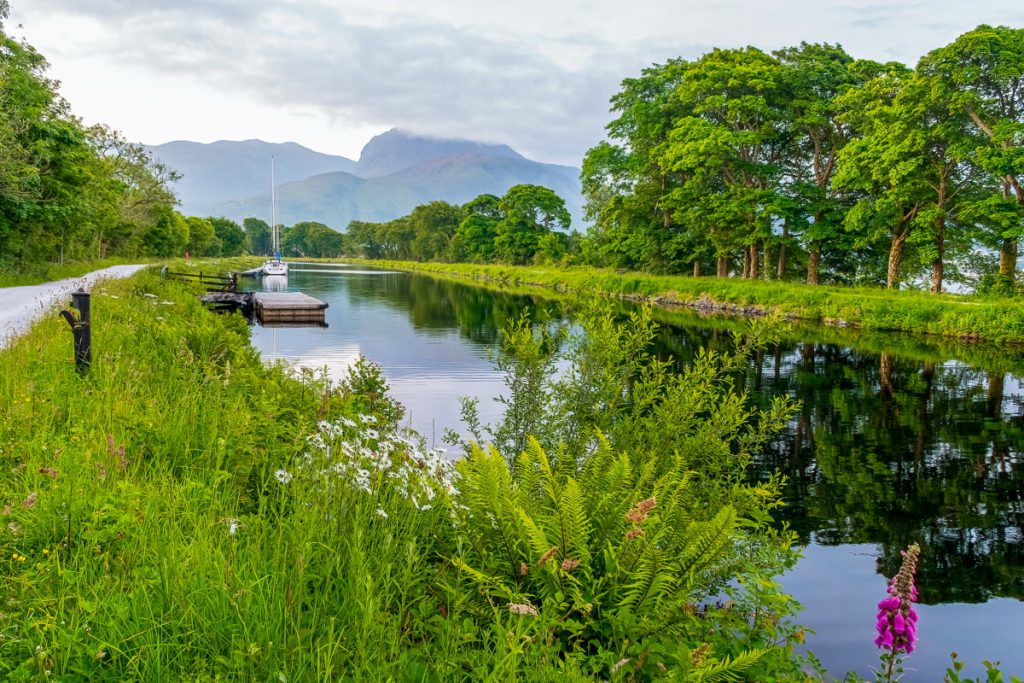
Long sections along the Caledonian Canal
Well-defined forestry tracks
It is by no means effortless, particularly on the higher Loch Ness sections, but it is often the preferred choice for walkers seeking a slightly steadier challenge.
If you are newer to long-distance walking, or simply prefer gentler terrain, the Great Glen Way tends to feel more forgiving overall.
Scenery: Rugged Drama or Lochside Treasures?
Both trails showcase the Scottish Highlands at its finest. The landscapes, however, are quite distinct for each trail.
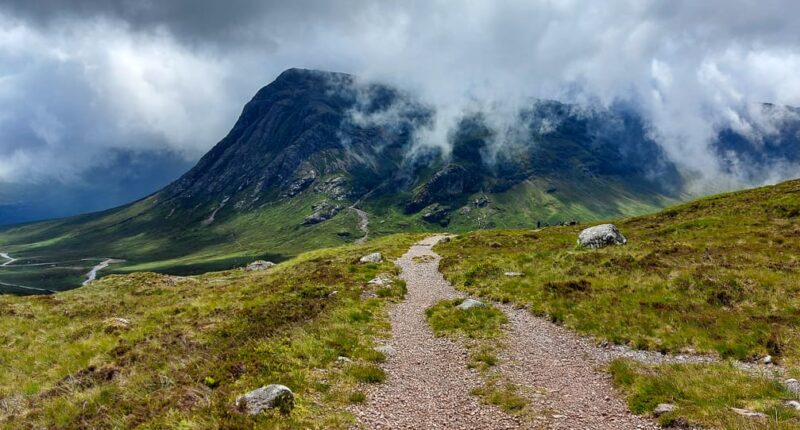
West Highland Way Scenery
The route begins in Milngavie, just beyond Glasgow’s northern edge, and within a matter of miles, urban life falls away entirely.
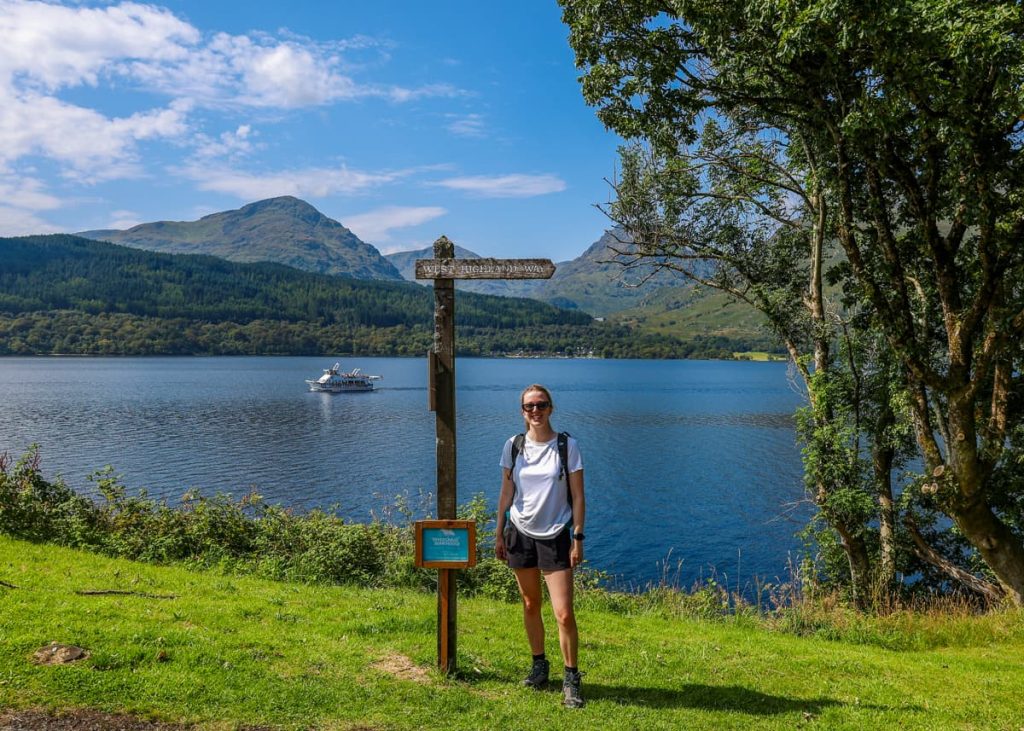
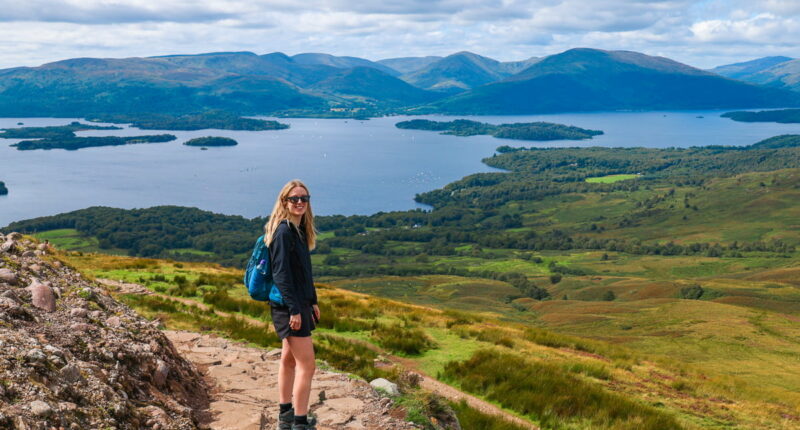
Along the shores of Loch Lomond
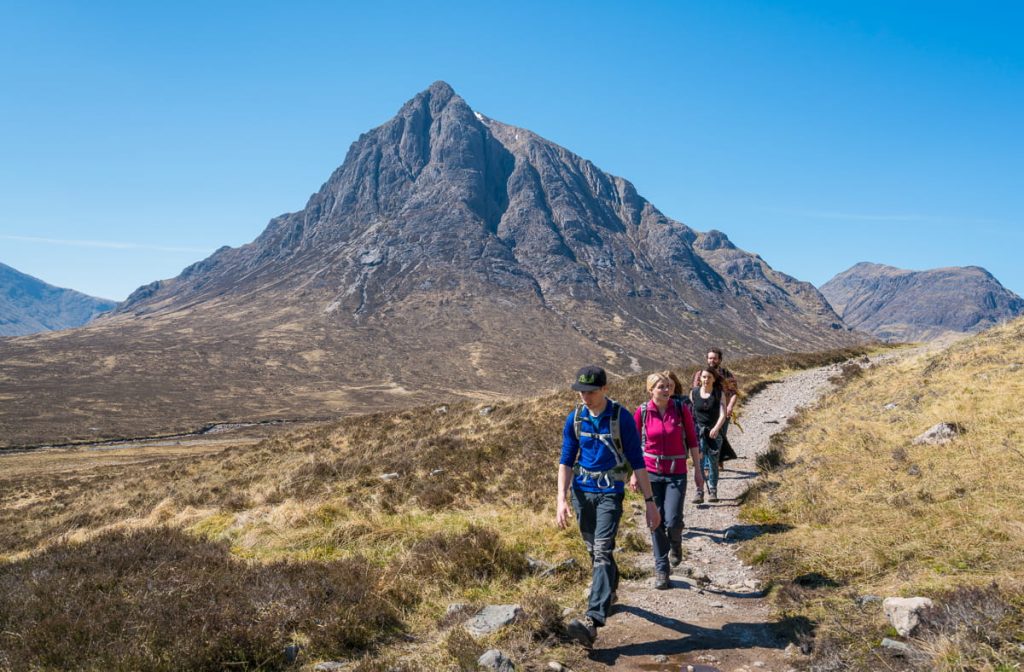
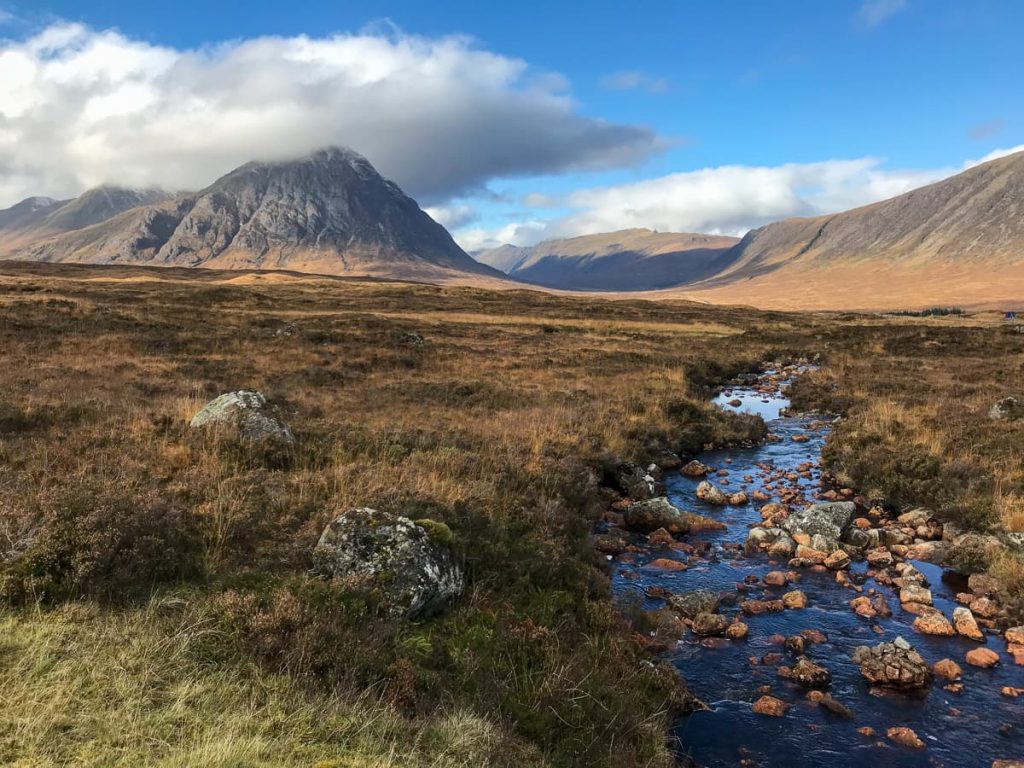
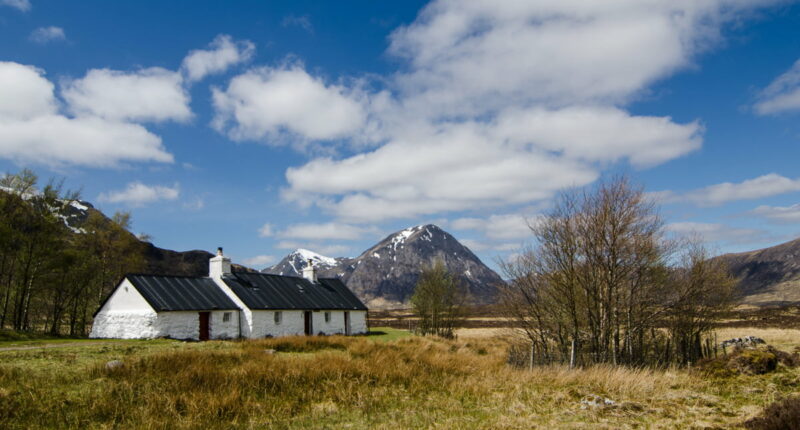
Across the vast openness of Rannoch Moor
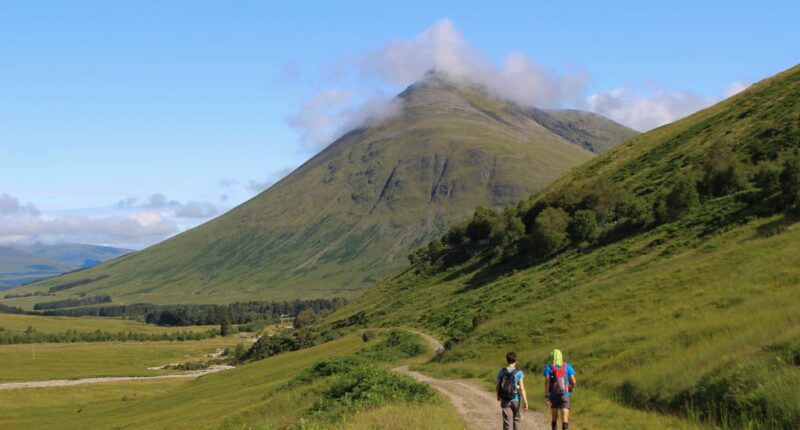
Through glens framed by towering peaks
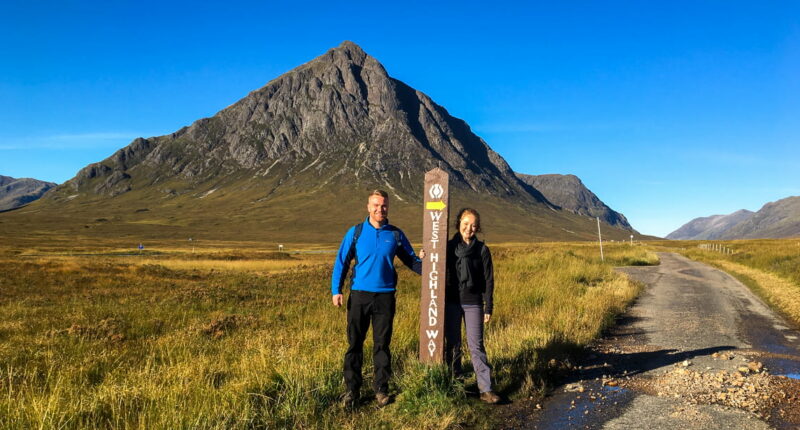
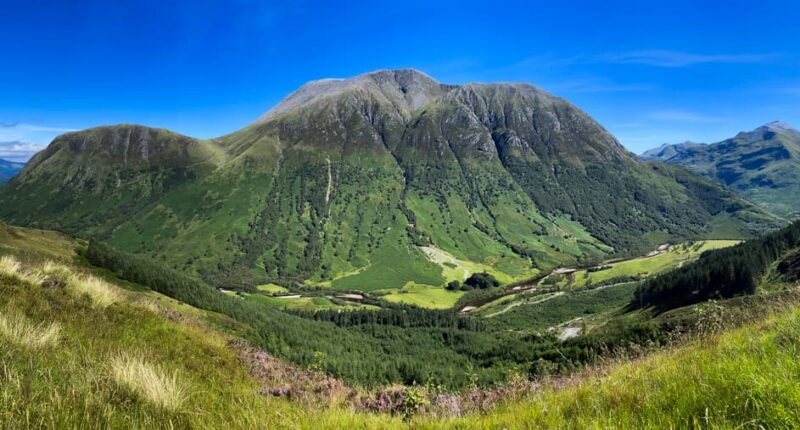
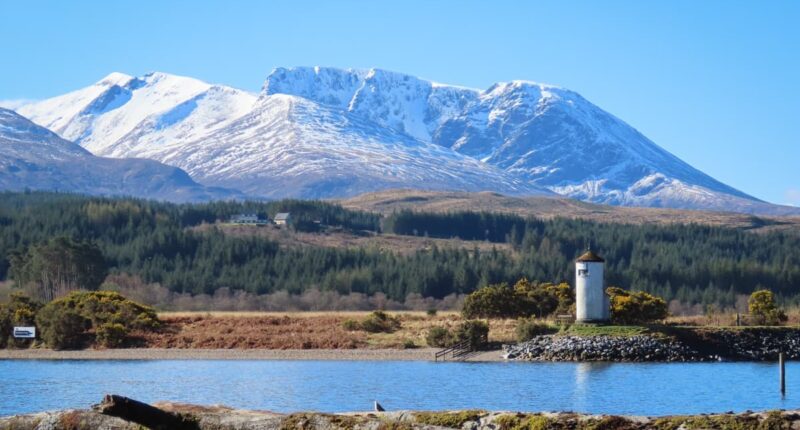
North towards Fort William in the shadow of Britain’s highest mountain, Ben Nevis
This is the Highlands many people picture before they arrive. Big skies. Wide horizons. A powerful sense of space.
For further details about the route, including stage information and elevation profiles, the official West Highland Way website offers a helpful overview.
Great Glen Way Scenery
Starting in Fort William and finishing in Inverness, the Great Glen Way traces a natural geological fault line across Scotland. Along the way you will encounter:
The engineering marvel of the Caledonian Canal and Neptune’s Staircase
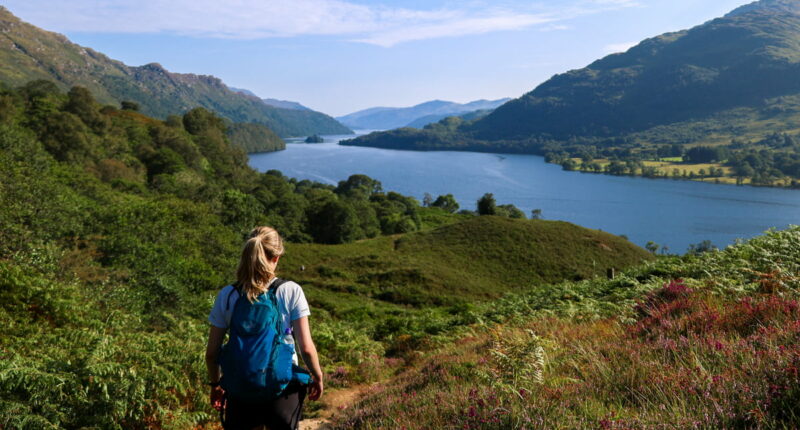
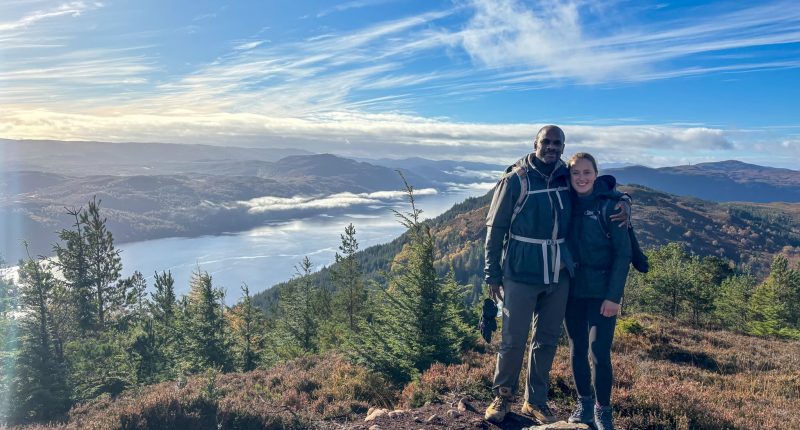
Sweeping views above Loch Ness
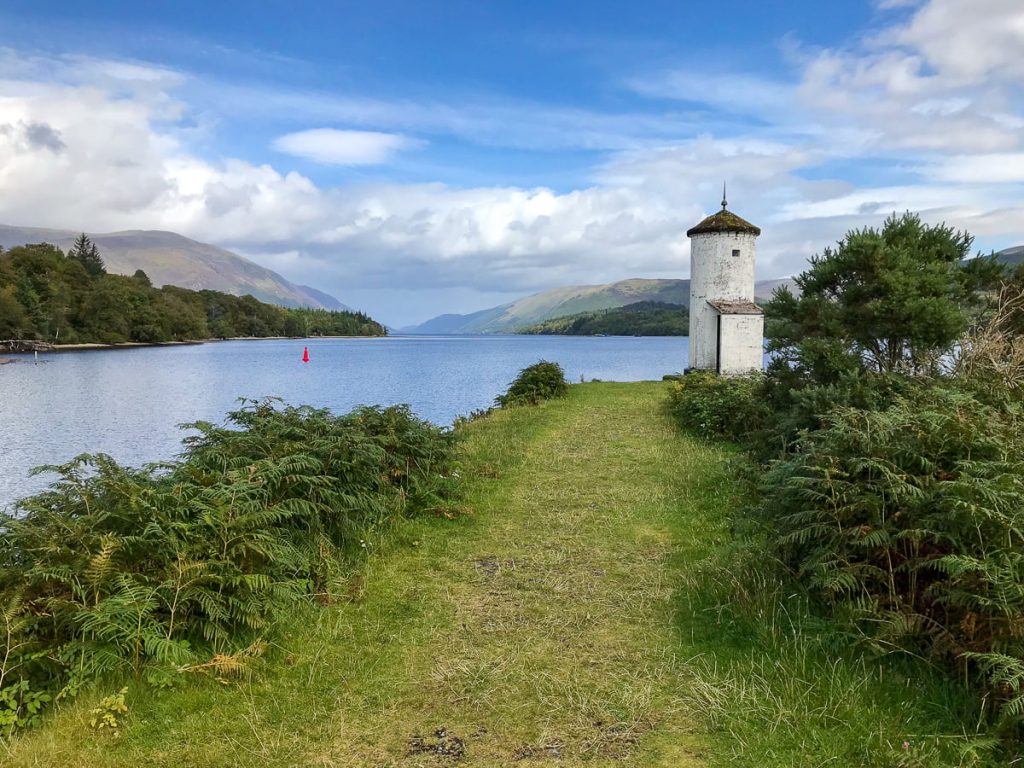
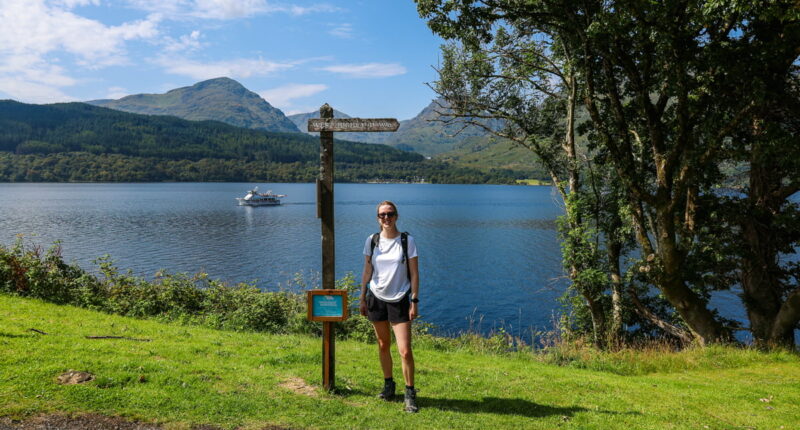
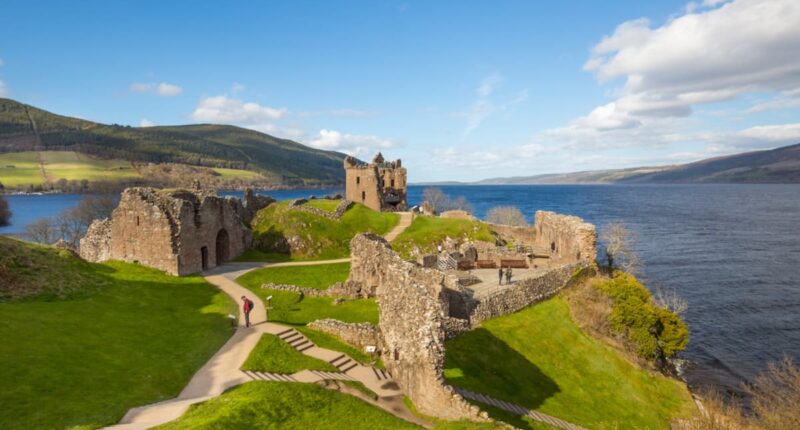
A sequence of interconnected lochs stretching from coast to coast
The scenery is expansive and peaceful. Forested stretches and lochside paths set a calm, unhurried rhythm. While perhaps less rugged than the West Highland Way, it has its own grandeur.
For a closer look at the route, including stage descriptions and elevation profiles, the official Great Glen Way website provides additional information.
History & Atmosphere
West Highland Way
Opened in 1980 as Scotland’s first official long-distance footpath, the route follows historic drovers’ roads and old military tracks that carried cattle, soldiers and goods through the Highlands for centuries.
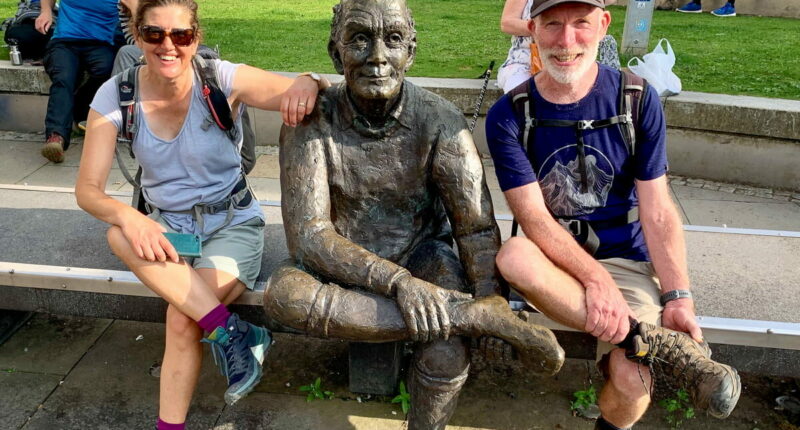
There is also a lively atmosphere. As Scotland’s most-walked long-distance trail, there is a warmth and camaraderie to the route. You are guaranteed to meet fellow walkers along the way – a welcome reminder that you are part of something rather special.
Great Glen Way
The Great Glen has been used as a route of travel for thousands of years. Today’s trail incorporates sections of Thomas Telford’s Caledonian Canal, completed in the early 19th century to link east and west coasts.
The atmosphere is quieter and more contemplative. It is a journey that unfolds at its own pace, with each loch leading naturally to the next.
Accommodation & Logistics
Both trails are well supported by welcoming Highland accommodation, from traditional guesthouses to characterful hotels.
We personally select and regularly review every place we book for our walking clients, looking for comfort, character and a genuine Highland welcome. In the more remote sections, where accommodation is not right on the trail, we arrange seamless taxi transfers so your walking day remains smooth and relaxed.
With Absolute Escapes, all the logistical details – accommodation, luggage transfers, maps, and route notes – are handled for you, allowing you to focus entirely on enjoying your walking holiday.
Getting There
Milngavie is easily reached by train from Glasgow.
Fort William has excellent rail and bus connections.
Inverness offers rail services to Scotland’s major cities and its own airport.
Both routes are simple to access without a car.
Luggage Transfers
We arrange daily luggage transfers along both trails, moving your bags securely between overnight stops while you walk with nothing more than a light daypack. It is one of those small details that makes a significant difference to your day.
Choose the West Highland Way if:
You are drawn to dramatic mountain scenery
You enjoy varied and occasionally rugged terrain
You are looking for a more physically demanding challenge
You would like to walk Scotland’s most famous long-distance trail
Choose the Great Glen Way if:
You prefer steadier gradients
You are newer to multi-day walking
You enjoy lochside and canal scenery
You would like a slightly shorter overall route
Can You Combine Them?
Yes, and the combination works seamlessly. The West Highland Way finishes in Fort William, precisely where the Great Glen Way begins. Together, they form one continuous journey from Milngavie to Inverness.
For those with the time and appetite for something more ambitious, it is one of the finest ways to explore Scotland on foot.
The knowledgeable travel specialists at Absolute Escapes would be delighted to plan this combined route, ensuring you’ll have smooth logistics and a truly memorable adventure.
Still Deciding?
When comparing the West Highland Way vs Great Glen Way, the decision ultimately comes down to the type of walking experience you’re looking for. There is no wrong choice here. Both routes offer exceptional scenery, a satisfying sense of progress and the pleasure of arriving somewhere under your own steam.
The right trail for you depends on your experience, your available time and the type of landscapes that inspire you most.
If you would like tailored advice, our team would be delighted to help you decide which route suits you best. With decades of experience organising self-guided walking holidays in Scotland, the team at Absolute Escapes ensures your trip is fully supported, stress-free and unforgettable.