Discovering Ireland’s West Coast: Your Wild Atlantic Way Road Trip Guide
Home > Blog > Discovering Ireland’s West Coast: Your Wild Atlantic Way Road Trip Guide
Kate BrownJanuary 21 2026
The Wild Atlantic Way is one of Ireland’s most rewarding road trips, where rugged coastlines, charming towns, and dramatic landscapes unfold at every turn.
With decades of experience crafting self-drive holidays in the UK & Ireland, our team has encyclopedic knowledge of these stunning islands. From jaw-dropping viewpoints along rugged peninsulas to welcoming pubs alive with traditional music, we draw on first-hand knowledge to create itineraries that let you travel at a relaxed pace and experience what truly makes these places special.
With so much to see and do on Ireland’s west coast, we know that planning a trip here can feel overwhelming. That’s exactly why we’ve put together this comprehensive guide.
Read on to discover everything you need to know about driving the Wild Atlantic Way, from the best times to visit to hidden gems and insider tips for making the most of your journey.
When is the best time to drive the Wild Atlantic Way?
Irish weather is famously unpredictable, but the west coast of Ireland is generally at its driest from April to July, with May and June bringing the sunniest days. For many, this is the best time to visit, when the light is at its most favourable and the landscape at its most inviting.
By September, showers become more frequent and the scenery takes on a subtly autumnal feel.
For those who prefer a quieter travel experience, visiting just outside the busiest summer months can be particularly rewarding. April and May offer a gentle, peaceful start to the season, while September and October allow you to explore at a slower pace once the summer crowds have eased.
If you enjoy planning a trip around local experiences, many towns along the west coast host summer food festivals, particularly in July and August. Westport and Clonakilty, for example, celebrate the season with excellent seafood, artisan produce, and lively local atmospheres.
How long does it take to drive the full Wild Atlantic Way?
The Wild Atlantic Way stretches for more than 1,600 miles (2,600 km), so driving it in full is best enjoyed at an unhurried pace.
Most people spend at least two to three weeks completing the whole route, allowing time to explore the peninsulas, harbour towns, and quieter coastal stretches that make the journey so memorable.
Our Complete Wild Atlantic Way Tour spans 20 nights. It begins in Kinsale and winds north through the Beara Peninsula, the Ring of Kerry and Dingle, then continues through Clare, Galway and Mayo, before travelling onwards through Sligo and into the dramatic landscapes of Donegal.
We also divide the full route into three shorter sections:
Every holiday we create is fully customisable, so think of these itineraries as a starting point. Whether you prefer a shorter section of the route, a slower pace, or extra time in your favourite regions, our specialists can tailor a trip that fits exactly what you’re looking for.
What’s accommodation like on the Wild Atlantic Way?
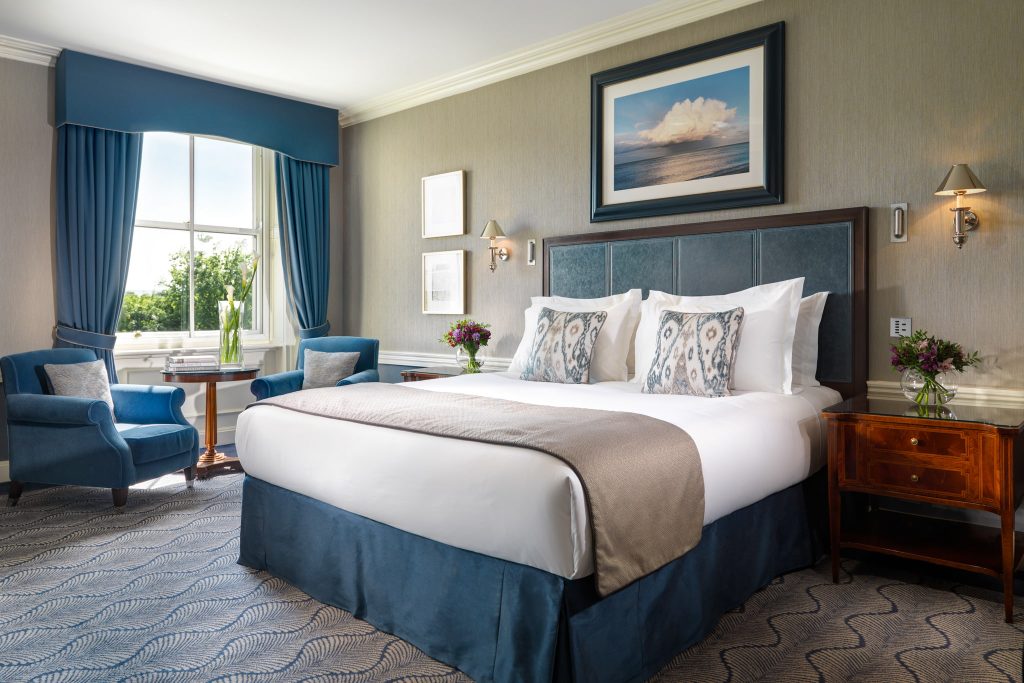
Whatever your preferred style, you’ll find accommodation to match – from intimate B&Bs and boutique guest houses to castle hotels and luxury coastal resorts.
At Absolute Escapes, we offer three levels of accommodation:
Special Places to Stay – exceptional hotels and luxury resorts
Premium – boutique guest houses and 4-star hotels
Standard – 4-star guest houses and excellent 3-star hotels
All accommodation we book is personally selected by our discerning team, using first-hand experience to ensure the highest standards.
Here are some of our team’s personal favourites, all of which guarantee a warm Irish welcome:
What are the must-see sights along the Wild Atlantic Way?
The Wild Atlantic Way has no shortage of dramatic coastlines, ancient sites, and picturesque villages to explore. If we had to pick our top sights along the route, we’d suggest visiting the following:
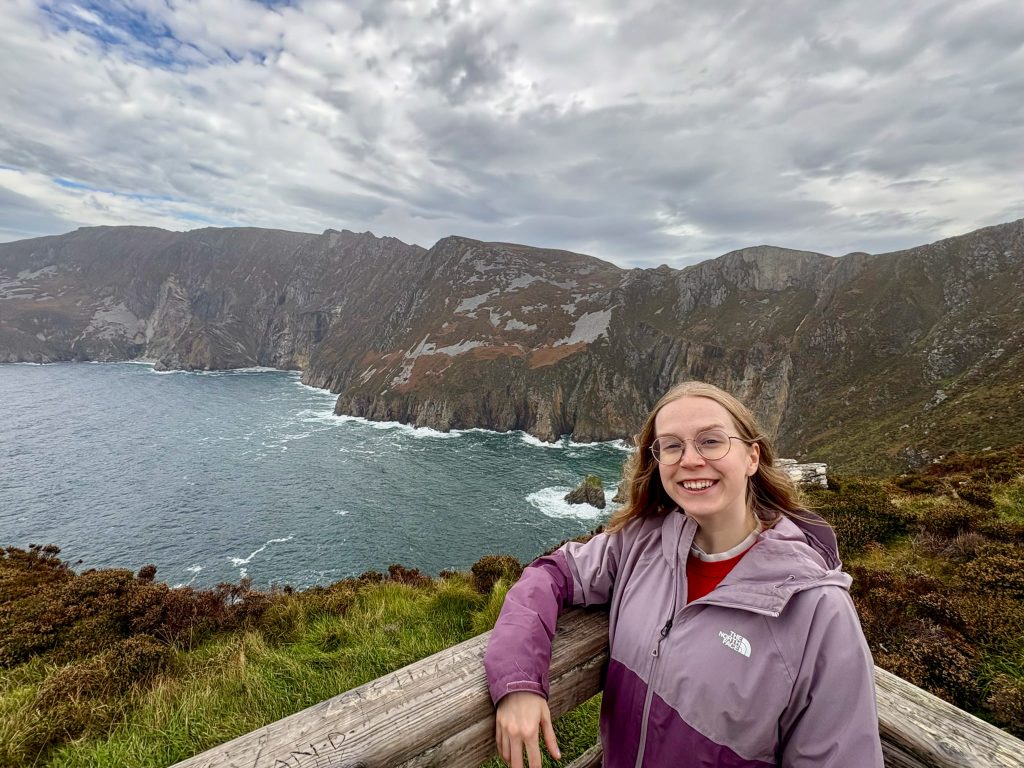
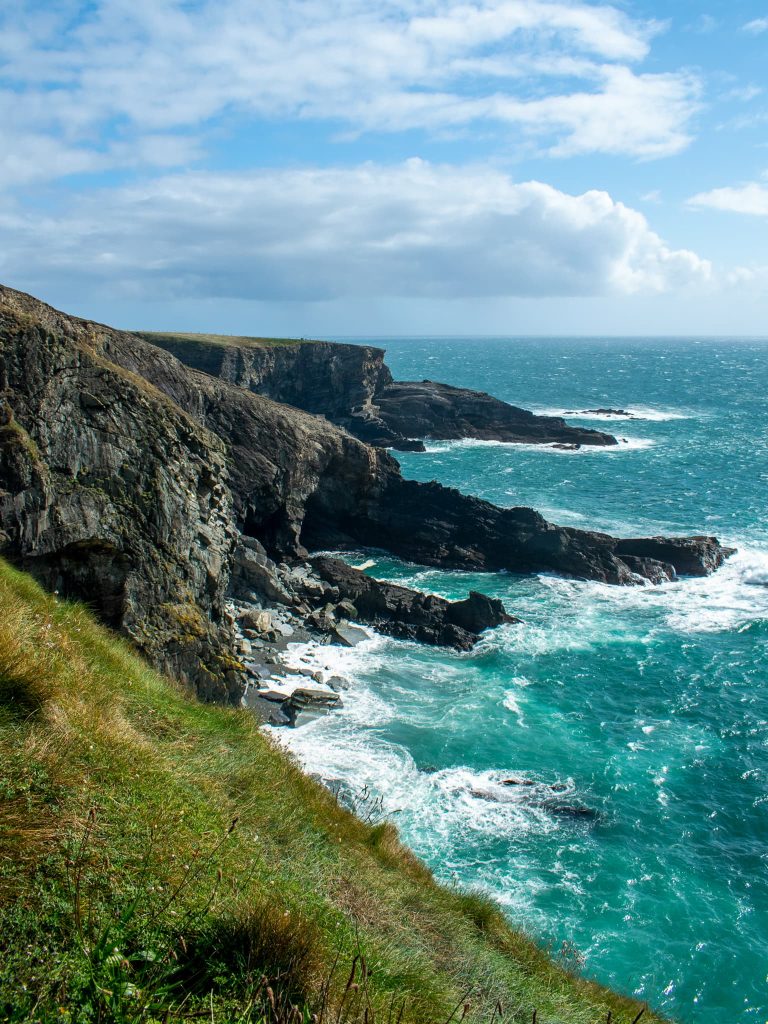
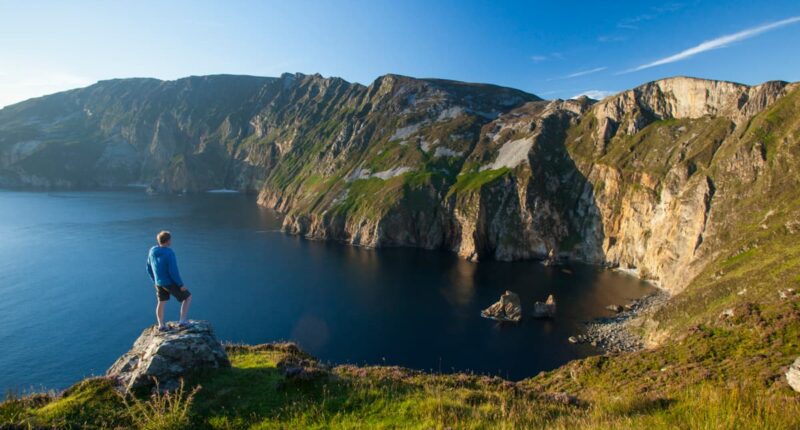
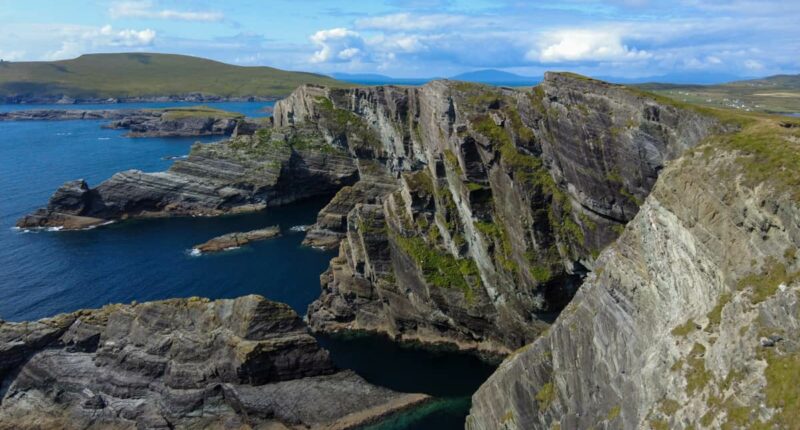
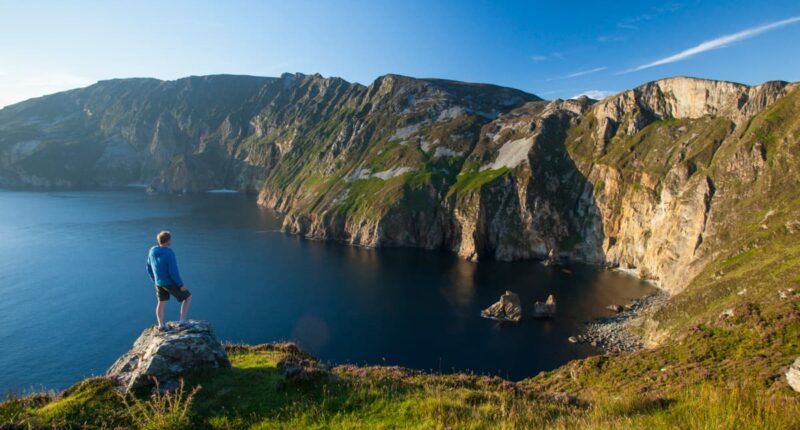
Slieve League Cliffs, Co. Donegal – Among the highest sea cliffs in Europe, the Slieve League cliffs feel wild and untamed, with their edges plunging dramatically into the Atlantic. The views from here are vast and unforgettable.
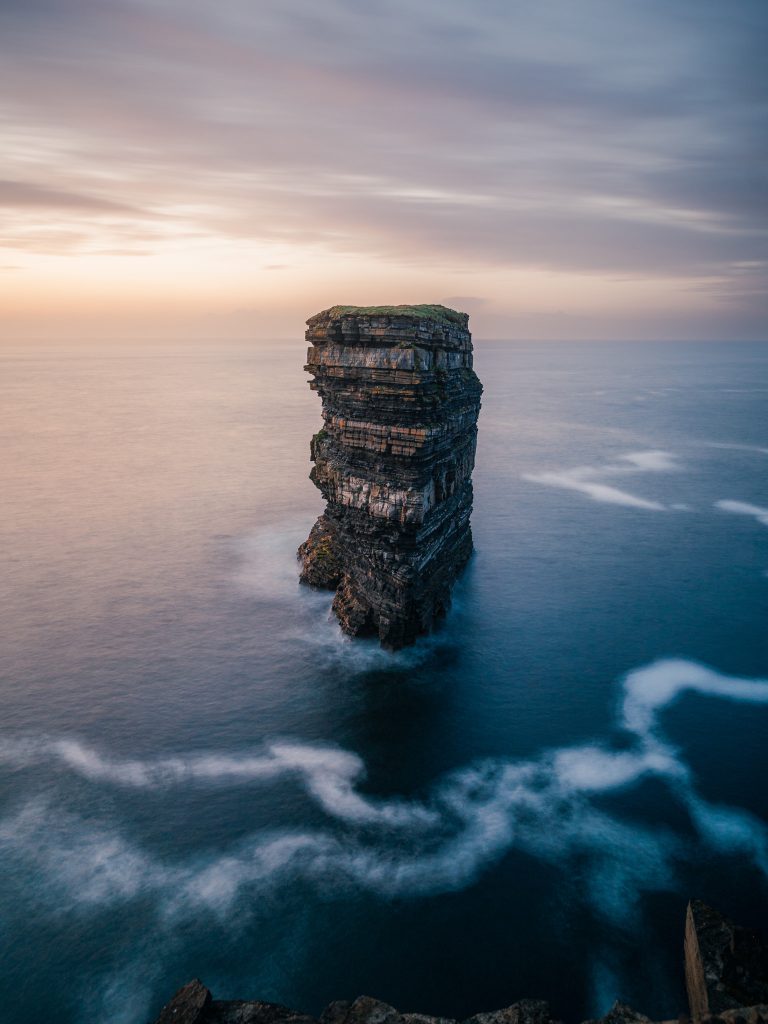
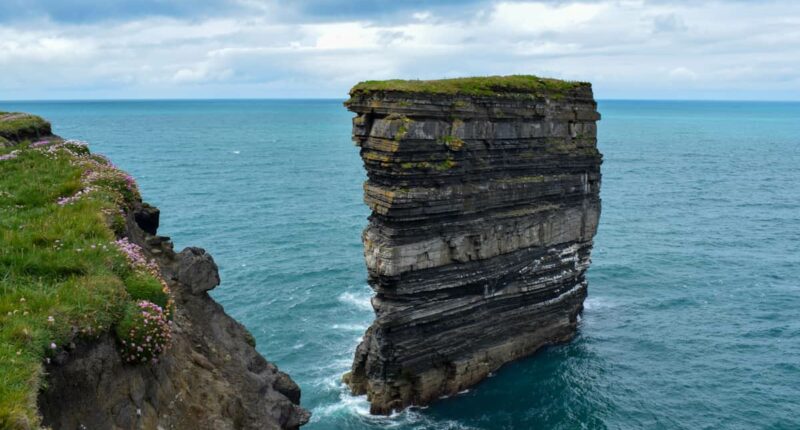
Downpatrick Head, Co. Mayo – Steeped in legend, the iconic Dún Briste sea stack stands proudly offshore at Downpatrick Head. Keep an eye out for nesting seabirds, including puffins and kittiwakes.
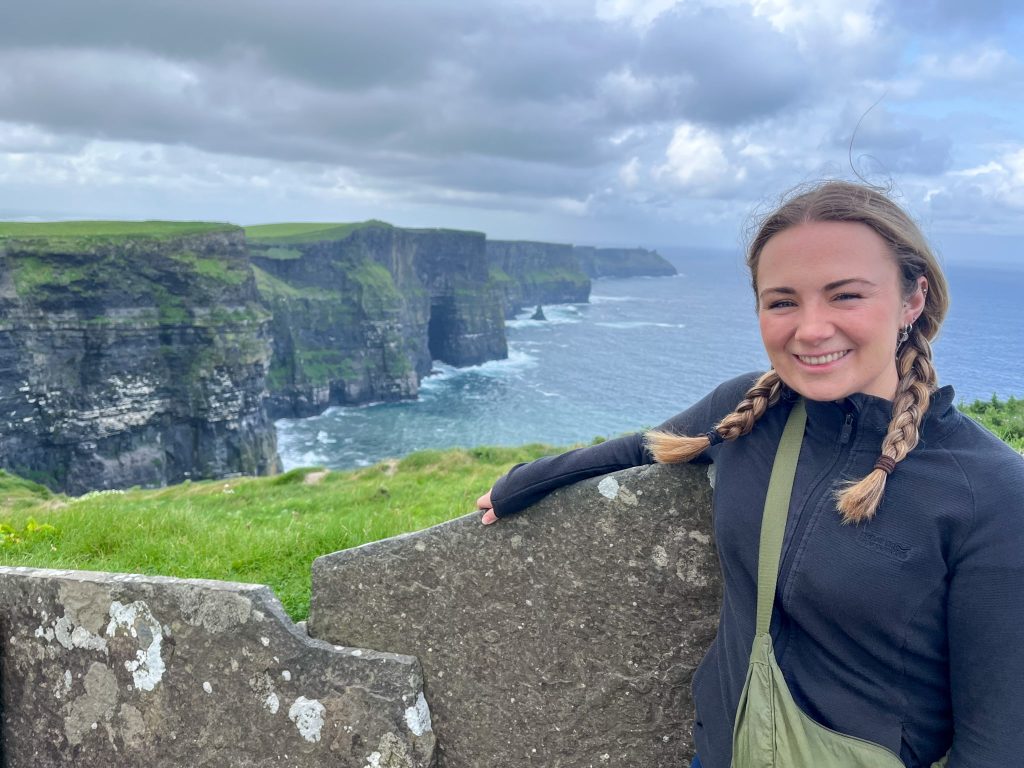
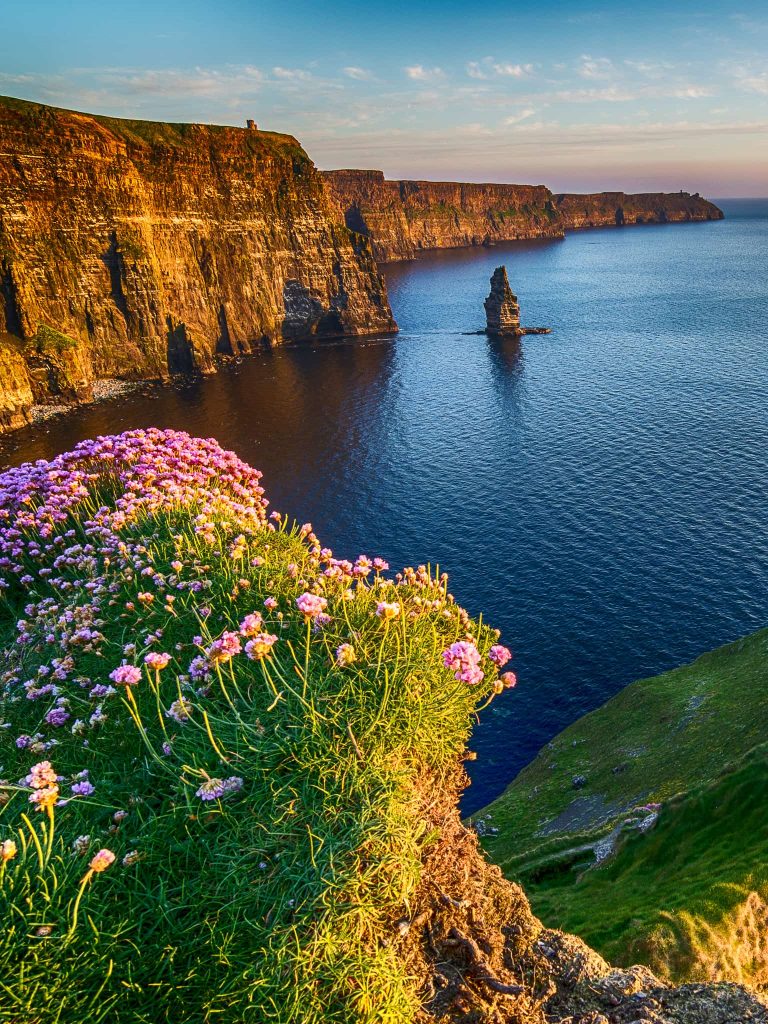
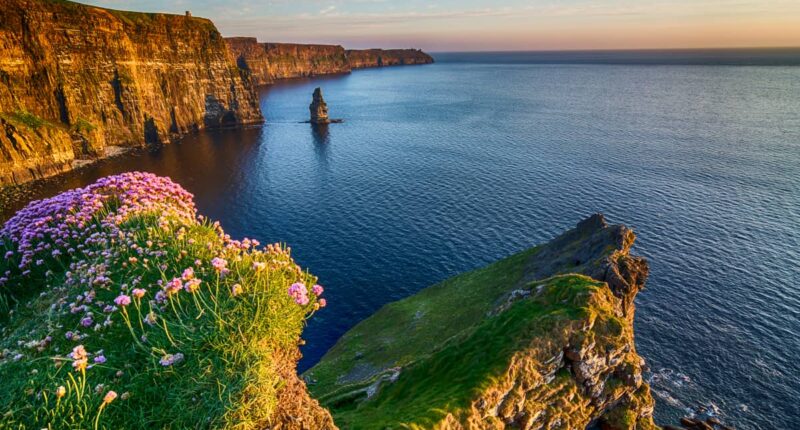
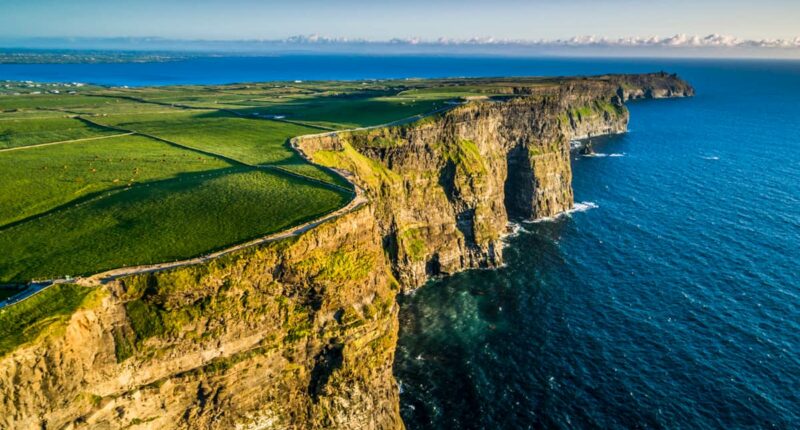
Cliffs of Moher, Co. Clare – The Cliffs of Moher rise majestically above the Atlantic, offering one of Ireland’s most iconic coastal vistas. Stretching for miles, they combine raw natural beauty with a sense of awe that never fails to impress.
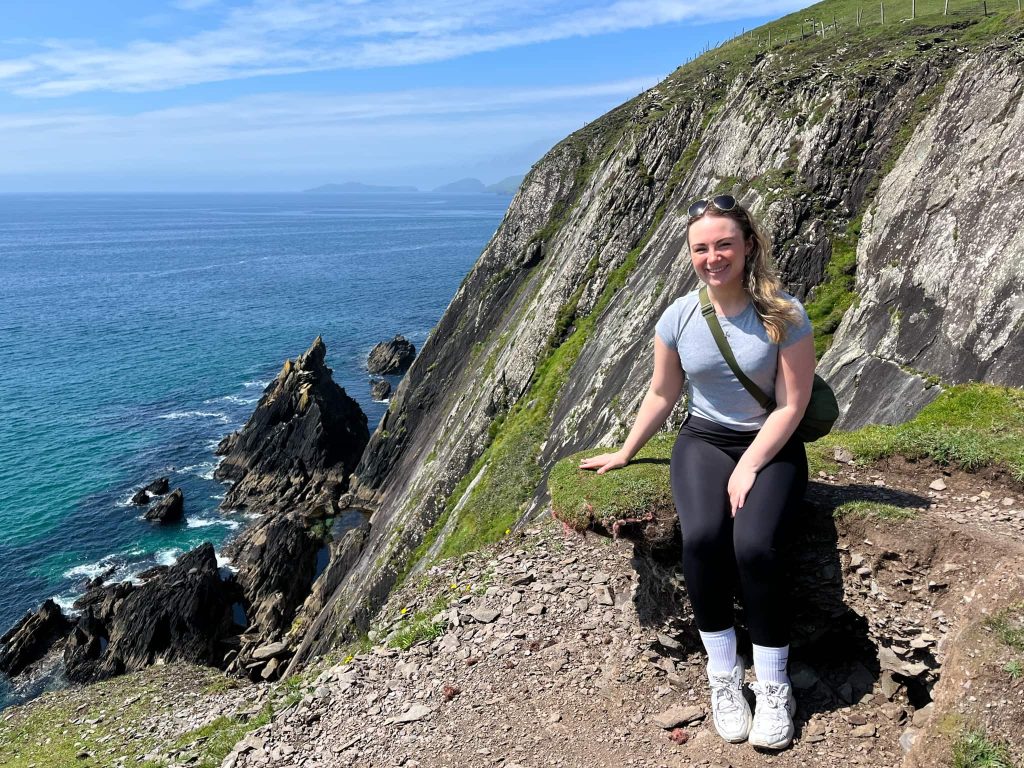
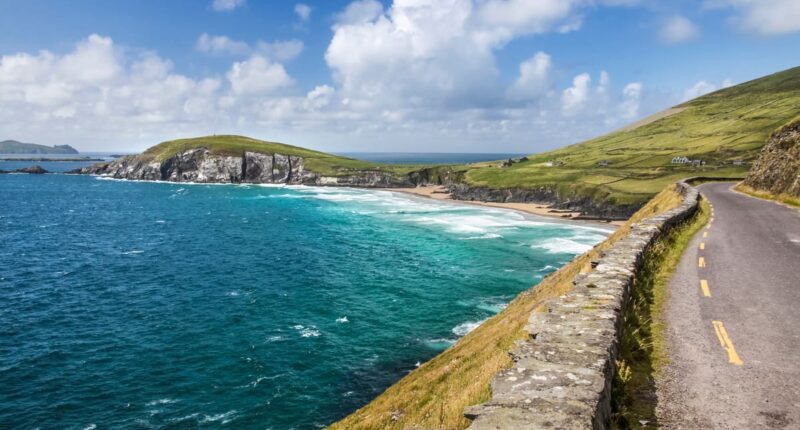
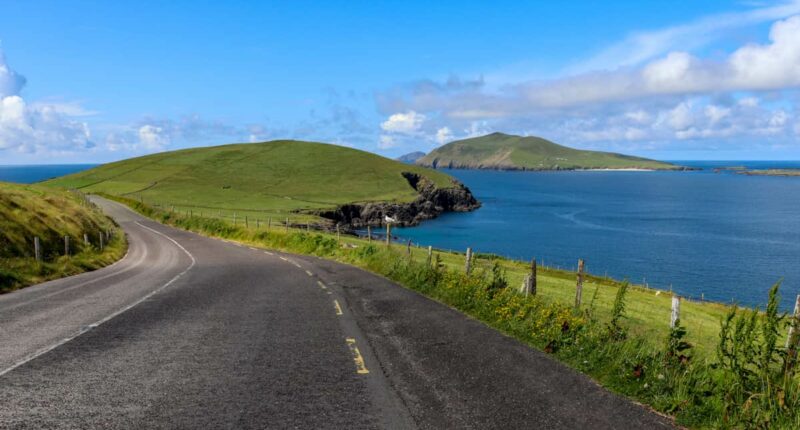
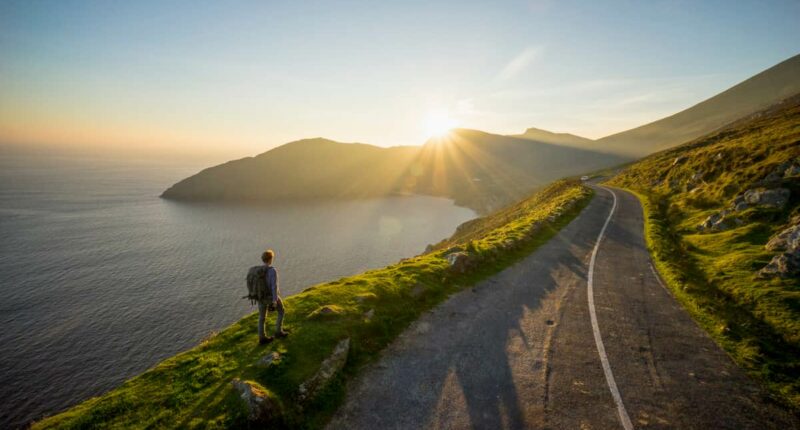
Slea Head Drive, Co. Kerry – Slea Head Drive winds along the edge of the Dingle Peninsula, delivering picture-perfect views at every turn. Rolling green hills, dramatic cliffs, and distant Blasket Islands make this one of Ireland’s most scenic coastal routes.
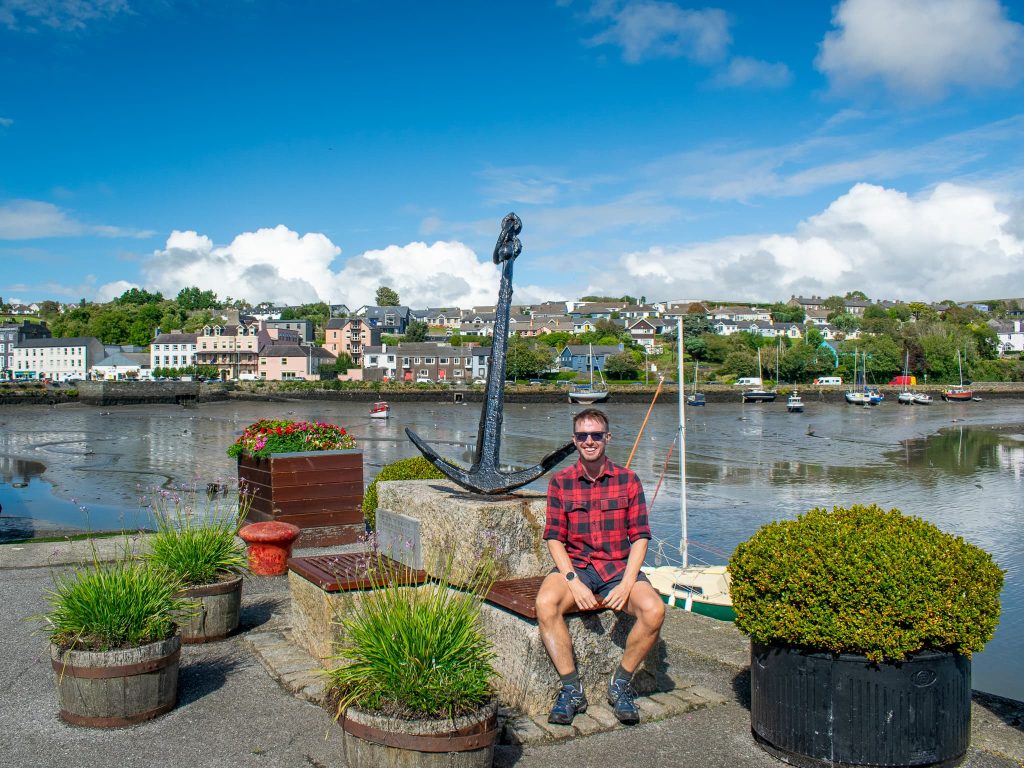
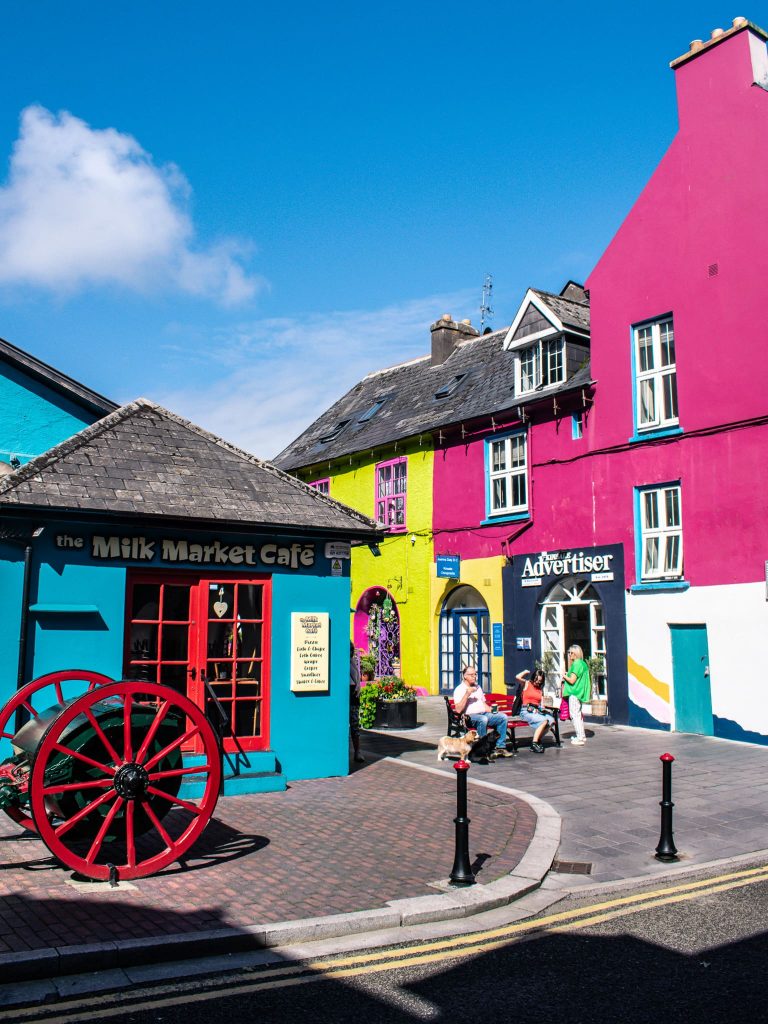
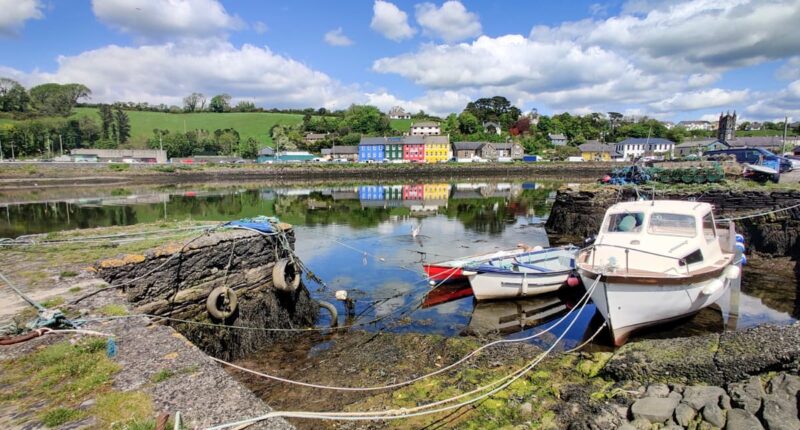
Kinsale, Co. Cork – Kinsale is a vibrant harbour town bursting with colour, character, and culinary flair. Its winding streets, historic fortifications, and renowned food scene make it a charming and lively stop on Ireland’s south coast.
Should I drive the Complete Wild Atlantic Way tour or just one section?
The Complete Wild Atlantic Way usually takes around 20 nights to explore, and if you have this many days to work with, we highly recommend completing the full journey. There are plenty of other options if you don’t quite have enough time for this.
At Absolute Escapes, we are passionate about encouraging a slower pace of tourism, as we believe this is how the restorative power of travel truly thrives. Rather than completing a whistle-stop tour of the full route in one week, why not pick one section and fully immerse yourself in this stretch?
How do I choose between the South, Central, or North sections of the Wild Atlantic Way?
While all sections of the Wild Atlantic Way offer spectacular coastal scenery, heritage, and cultural experiences, they can be characterised slightly differently. Read on to find out whether the South, Central, or North section would be the best fit for you.
South – Cork, Kerry & Dingle
The Wild Atlantic Way starts from Kinsale, a pretty harbour town lying south of Cork. Cork is the second largest international airport in the Republic of Ireland, making it an accessible starting point for many.
For those arriving into Dublin, however, there is also the option of combining this section of the Wild Atlantic Way with Ireland’s Ancient East. These two routes can easily be linked up and allow visitors the chance to explore the differences between the east and west of Ireland.
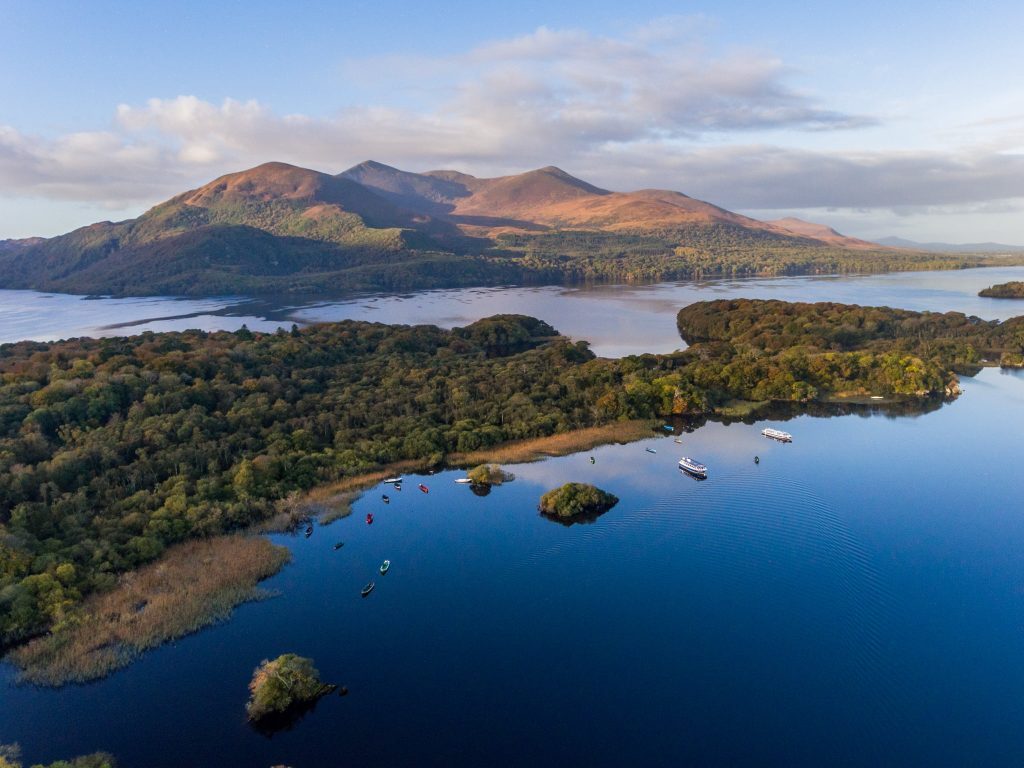
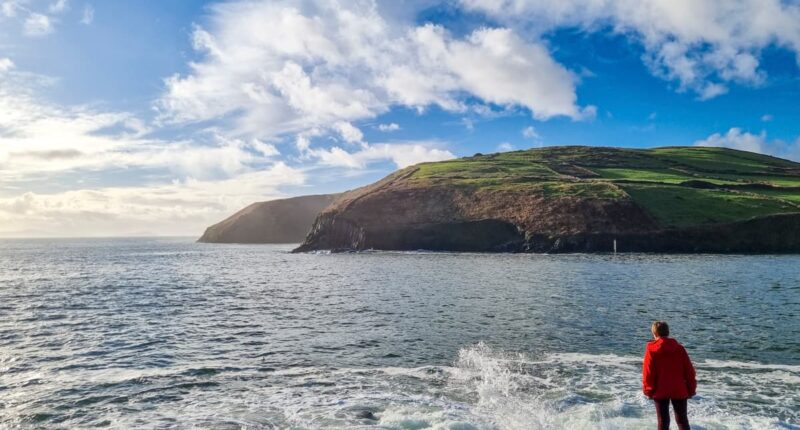
This section of the Wild Atlantic Way explores colourful coastal towns, the lush landscapes of Killarney National Park and the magnificent Beara and Dingle peninsulas. Anyone with a keen interest in films may recognise a few filming locations along this itinerary too – the most famous perhaps being Dunmore Head, which was used as a filming location for Star Wars: The Last Jedi.
The South Wild Atlantic Way is also the best area to experience a traditional jaunting cart ride. You will see these traditional carts being pulled by horses all around Killarney National Park. For the best experience, however, we would recommend taking a ride around Muckross House & Gardens.
The south-west of Ireland is a popular destination, particularly during the summer holidays, so this section of the route can be a little busier than others. To make the most of your time here, we recommend booking evening meals and excursions in advance.
Central – Clare, Galway & Mayo
Doolin is the first stop along this part of the Wild Atlantic Way. While you can observe traditional Irish music sessions in almost every town along Ireland’s west coast, Doolin is famed for being the true home of Irish music. Although small, Doolin is far from a sleepy village. Locals and visitors alike flock to the pubs in the evenings to listen to the energetic jam sessions held throughout the week.
County Clare is also home to the famous Cliffs of Moher, which are a must-see sight for many visitors to Ireland’s west coast. If you plan to visit the cliffs, we recommend arriving early before the coaches. Shuttle buses also run from Doolin if you would prefer not to drive to the cliffs. Be sure to take the time to visit the extensive visitor centre and learn about the wide variety of seabirds that can be observed by the cliffs.
To reach the central section of the Wild Atlantic Way, we would usually recommend flying to Dublin and making your way across the country to begin your adventure on Ireland’s west coast. Shannon Airport in Co. Clare is a closer option; however, it is served by fewer airlines.
North Wild Atlantic Way – Sligo & Donegal
The North Wild Atlantic Way offers some of the best natural sights and walks along the whole route, and would be well-suited to anyone looking to explore a quieter and wilder section of the coast.
County Sligo is known for its striking mountains, dramatic beaches, and literary heritage. The historic town of Sligo proudly celebrates a strong connection to the poet W.B. Yeats, who was inspired by the surrounding landscapes, naming one of his poems “The Land of Heart’s Desire”.
As the Wild Atlantic Way winds further north into County Donegal, the landscape becomes more remote and is loved by hikers, photographers, and anybody seeking an off-the-beaten-track experience.
Highlights of this section of the road trip include the towering Slieve League Cliffs, among the highest sea cliffs in Europe, as well as beaches, rugged headlands, and traditional villages where Irish culture remains deeply rooted.
Exploring the northern section of the Wild Atlantic Way offers the opportunity to link up easily with our Northern Ireland Road Trip.
What are the roads like along the Wild Atlantic Way, and how should I prepare?
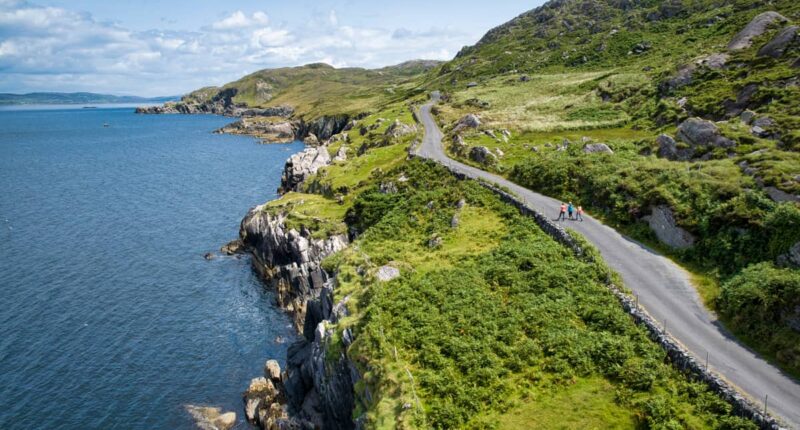
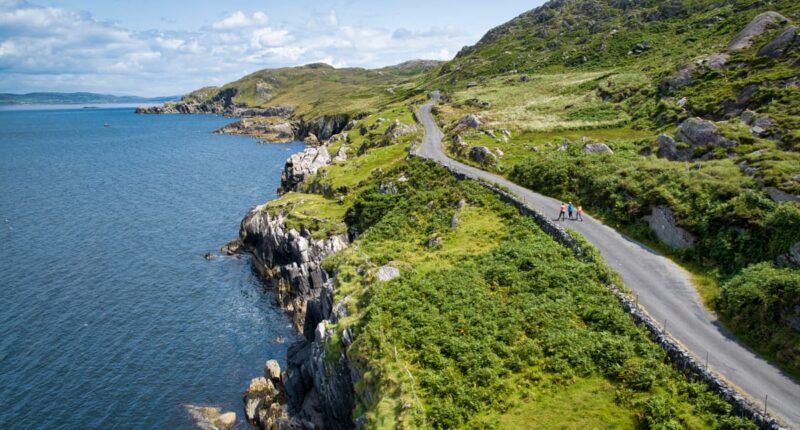
The Wild Atlantic Way roads may actually take you by surprise. Despite the dramatic scenery and rugged coastlines, the road conditions themselves are generally excellent, with smooth surfaces, great signage, and plenty of passing places where needed.
As you travel between the towns along the Irish coast, you will experience a variety of roads, from coastal routes to quieter country lanes, and even the occasional main road along the way. When you travel out for some sightseeing on the Irish peninsulas and more remote headlands, you can expect a few more single-track roads. This is where a slower pace is strongly recommended, ensuring that you have plenty of time to pull into a passing place should you be met with oncoming traffic.
The key to great preparation for driving the Wild Atlantic Way is to allow yourself plenty of time to get from destination to destination. Not only will you appreciate this when the option of a scenic detour arises, but it will also allow you the flexibility to stop and enjoy some of the stunning viewpoints along the way.
How do I navigate the Wild Atlantic Way – maps, apps, and signage?
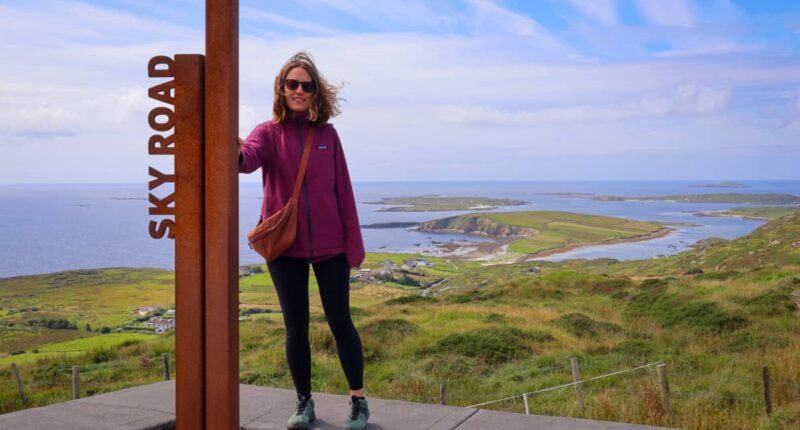
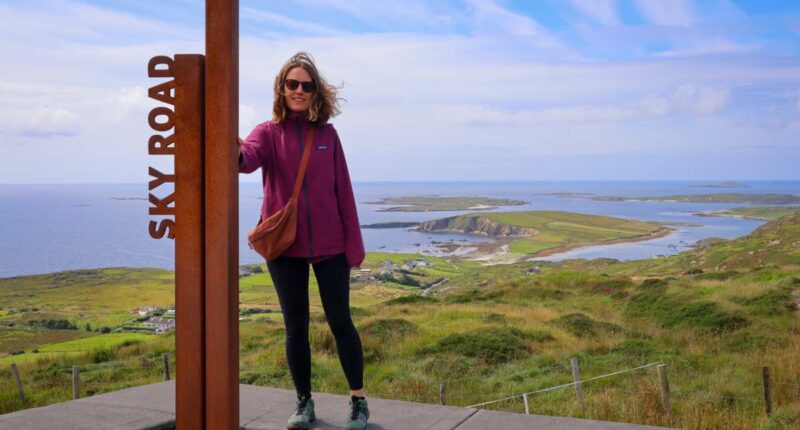
Unlike some other famous road trips in the British Isles (for example, the North Coast 500), the Wild Atlantic Way does not have one set route. Instead, there are many roads around the coastal area that make up part of the Wild Atlantic Way, depending on what sights you are planning to explore. These are very easy to identify from the signature Wild Atlantic Way sign that you will become very familiar with.
To help you navigate this multi-choice route, there are several printed maps available that you could purchase online (for example, the Wild Atlantic Way Pocket Map by Collins), or you may prefer to plan your own route with the help of the official Wild Atlantic Way website.
Alternatively, if you prefer an easy-going holiday, let our travel specialists take the decision out of your hands. We would be happy to provide you with tailored guidance on which route to follow.
Once you are in Ireland and looking to find your next stunning viewpoint, you may find it helpful to download the Atlantic Way Explorer app. This app offers a database of sightseeing categories as well as an interactive map. Once you have decided which sightseeing location you would like to visit next, the app can open the location in your navigation app of choice (i.e. Apple Maps, Google Maps, etc.).
What else should I know before driving along the Wild Atlantic Way?
To help ensure that your driving in Ireland is as smooth as possible, here are a few more driving tips for your Irish holiday. First and foremost, it is important to remember that in Ireland you will drive on the left-hand side of the road, and that all speed limits are in kilometres. If you do cross into Northern Ireland, be aware that the speed limit will change to miles.
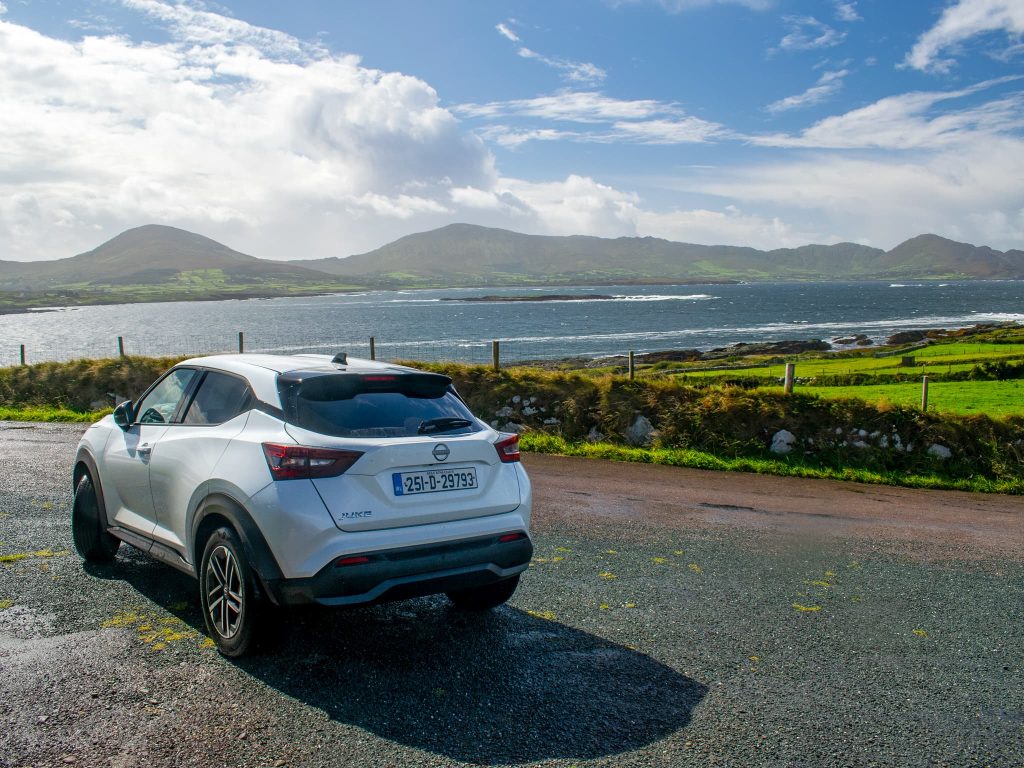
The key to a great self-drive holiday is to ensure that you are comfortable with the car that you will be driving. We recommend selecting a car similar to the one that you drive at home, and opting for the transmission that you are most comfortable with (i.e. manual or automatic). If you need any advice on which car style will be best suited to you, our travel specialists would be happy to share their expertise.
Along the coastal roads, you will come across many of the route’s discovery points. You may be wondering what these are. The discovery points are beautiful viewpoints that have been highlighted along the Wild Atlantic Way.
To ensure that visitors are able to make the most of these viewpoints, each offers free parking spaces for you to use. Many also have a picnic bench or two, should you wish to enjoy lunch outdoors.
How can I book a self-drive holiday on the Wild Atlantic Way?
Booking a self-drive holiday with Absolute Escapes is simple. Let us know how long you’d like to travel – we recommend a minimum of five nights – and we’ll use our first-hand knowledge to design a tailor-made itinerary around your preferred pace, interests, and accommodation style.
The holiday ideas on our website are simply examples and everything can be adapted to suit you.
Our Ireland road trip packages include:
Carefully selected en-suite accommodation, including traditional Irish breakfast
A personalised itinerary packed with dining and sightseeing recommendations based on first-hand experience
A map of Ireland with your recommended driving route
Car hire with comprehensive insurance for the duration of your trip (we can arrange the holiday without a rental car if you plan to bring your own vehicle)
24-hour emergency contact number
Full financial protection
Guidance from our award-winning team, who use their first-hand knowledge to create a seamless experience
South – Cork, Kerry & Dingle
How do I get to Kinsale to begin the Wild Atlantic Way South section?
The small town of Kinsale in County Cork is the official start of the Wild Atlantic Way. Most visitors arrive via Cork Airport, which is around 25 minutes’ drive from Kinsale and offers frequent flights from the UK and mainland Europe. If you’re flying long-haul, Dublin Airport is also a practical option, with an onward drive of around three hours.
Depending on how much time you have, many visitors choose to explore Dublin and Ireland’s Ancient East before continuing to the west coast, giving a full flavour of both sides of the Emerald Isle.
Kinsale’s brightly painted streets, picturesque harbour, and excellent food scene offer a warm introduction before you begin the coastal drive west.
How long should I spend driving the Wild Atlantic Way South section through Cork, Kerry and Dingle?
Although you could spend a month here and barely scratch the surface, most visitors spend seven to nine nights exploring Cork, Kerry, and Dingle.
Our suggested itinerary includes eight nights, which allows time to discover the Beara Peninsula, the Ring of Kerry, and the full sweep of the Dingle Peninsula without feeling rushed.
As with all of our holidays, this can easily be tailored by our expert team. Whether you’d like extra time in Killarney to explore the national park, a slower journey around the peninsulas, or a shorter snapshot of the region, we can adjust your itinerary to suit your interests and travel style.
What are the must-see sights along the Wild Atlantic Way South section?
This stretch of the Wild Atlantic Way is filled with world-class attractions and scenic highlights. A few of our favourites include:
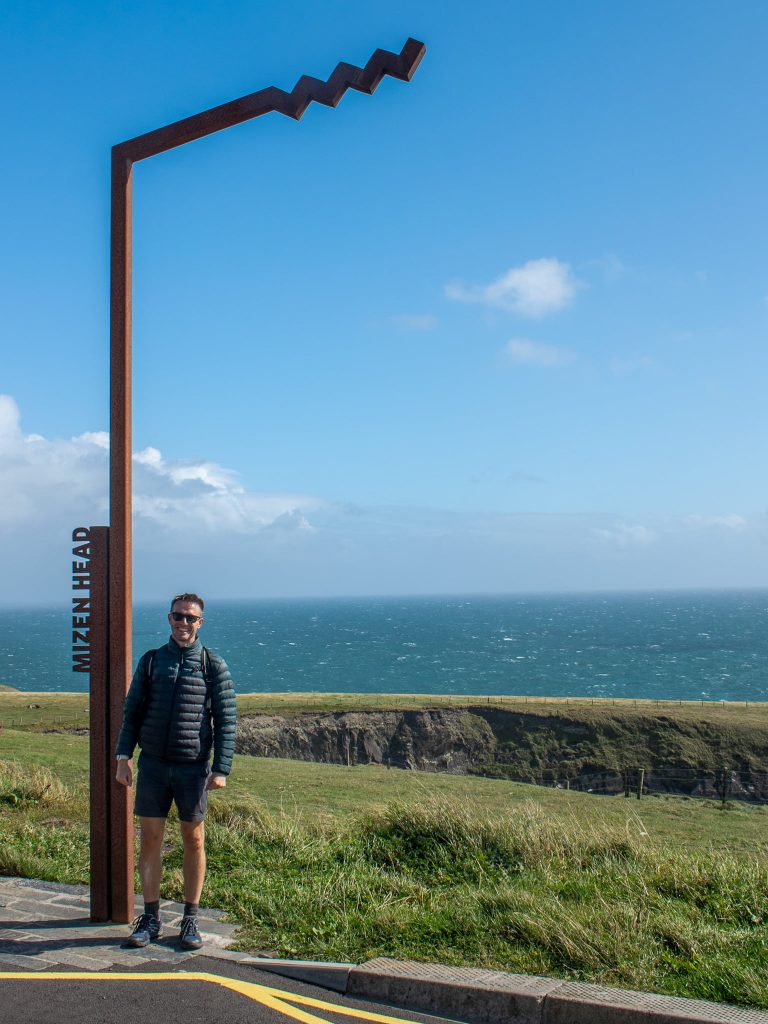
Mizen Head – the dramatic footbridge and lighthouse stand at the very edge of the Atlantic.
Garnish Island – nestled off the southern coast of the Beara Peninsula, this lush island is famed for its beautiful Italian gardens.
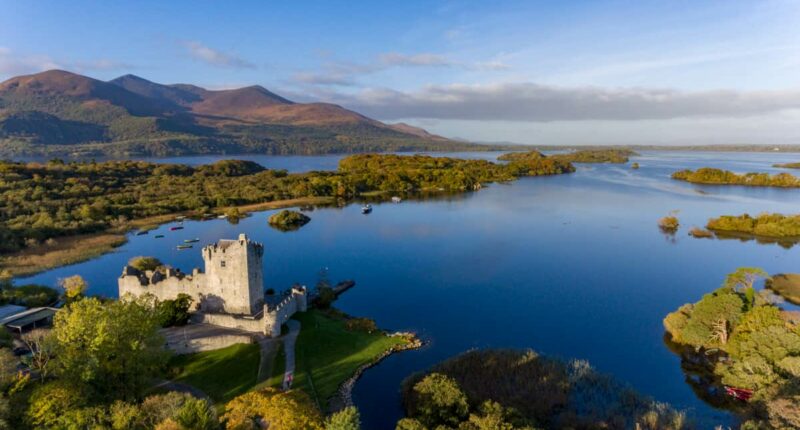
Killarney National Park – lakes, ancient castles, and the scenic drive through the Gap of Dunloe make this a rewarding place to explore.
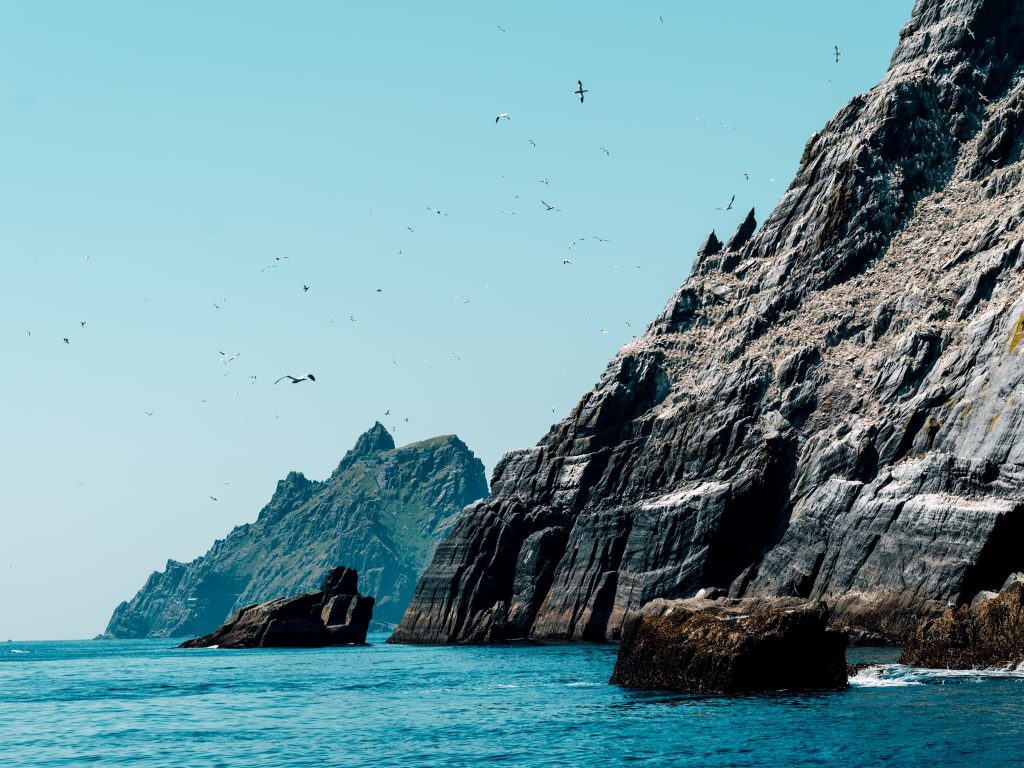
Skellig Islands – battle the elements to reach the incredible islands that featured in Star Wars: The Force Awakens.
Slea Head Drive – one of Ireland’s most beautiful coastal loops, with sweeping views towards the Blasket Islands.
Where are the best beaches to visit in Cork and Kerry?
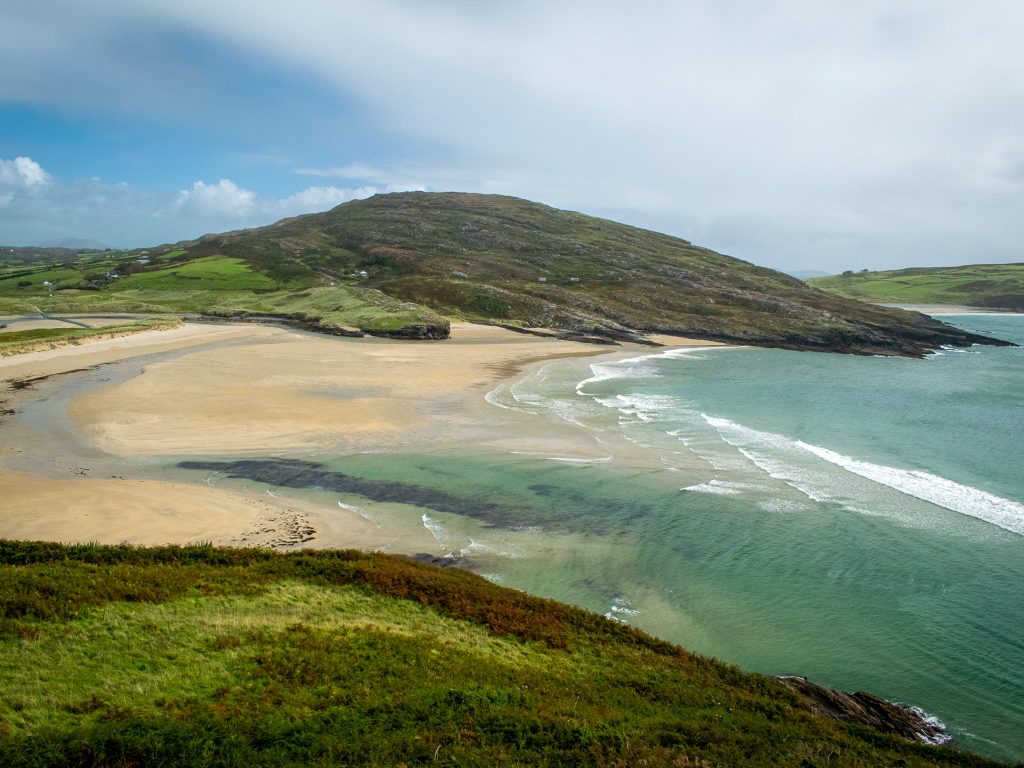
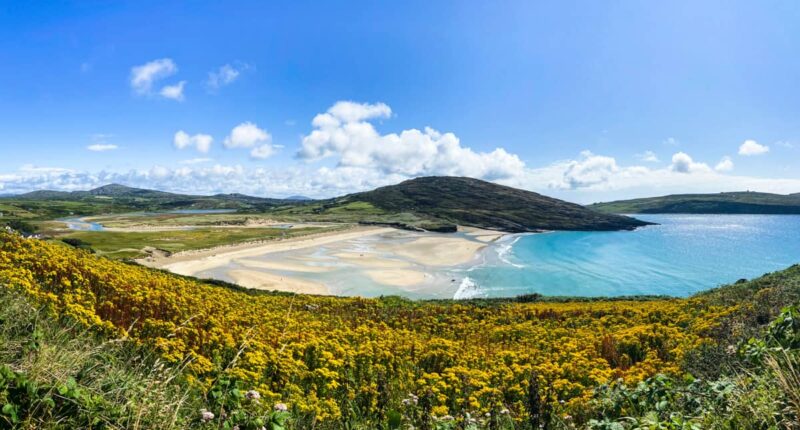
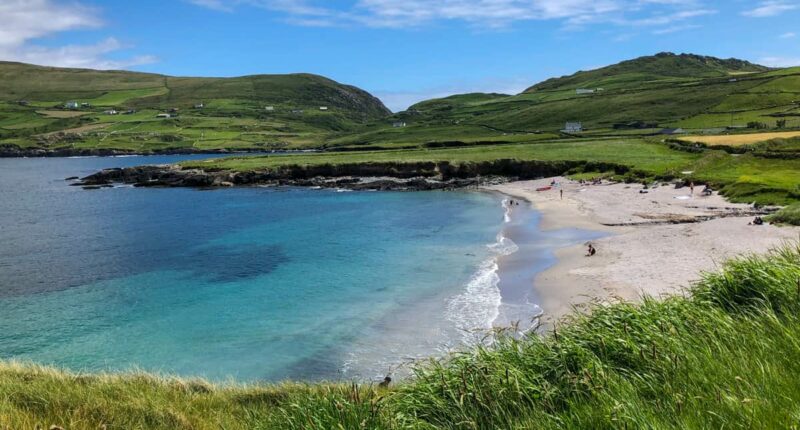
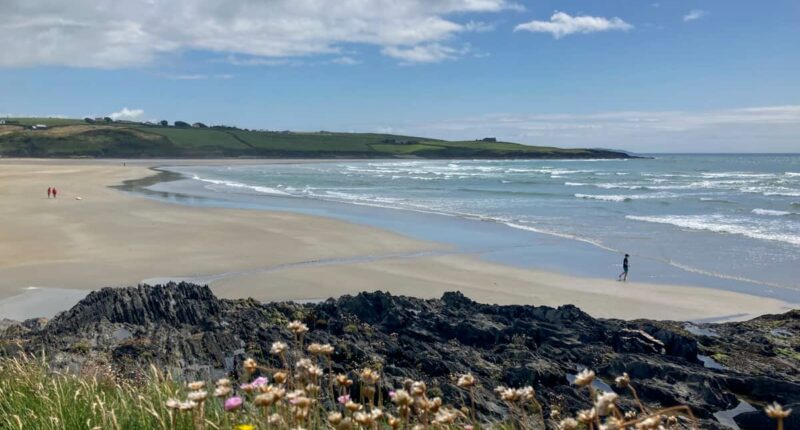
Both counties offer beaches that feel wonderfully remote yet easy to include on a coastal drive. In Cork, our favourites include Barleycove – a golden, sheltered bay near Mizen Head – and Inchydoney, known for its wide sands and gentle surf.
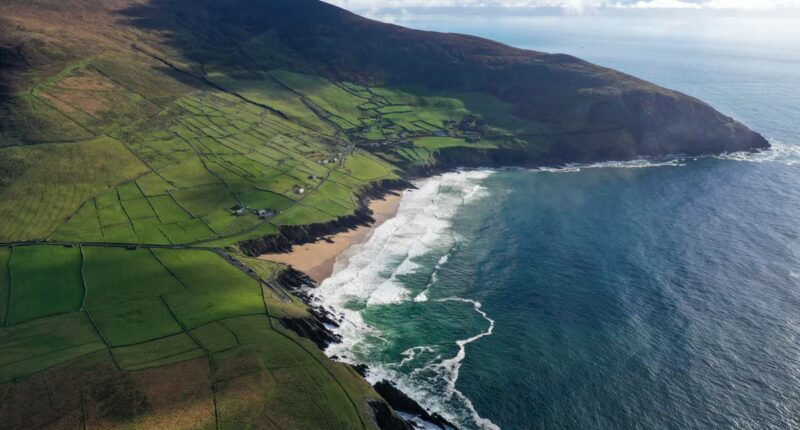
In Kerry, Derrynane Beach is a beautiful natural sweep backed by dunes, while Inch Beach and Coumeenoole on the Dingle Peninsula offer dramatic Atlantic views.
Is it easy to drive around the Wild Atlantic Way South section?
Yes. Most of this section is straightforward to navigate, with excellent roads and clear signposting.
Some peninsulas, particularly Beara and parts of Dingle, have narrower stretches and single-track roads, but take these at a gentle pace and you will be rewarded with outstanding scenery.
Where are the best places to eat and drink in Cork, Kerry and Dingle?
This corner of Ireland has a highly regarded food scene, shaped by excellent local produce and traditional Irish cooking.
Kinsale, often considered the gourmet capital of Ireland, offers a mix of relaxed cafés and refined dining. In Kerry, seafood hotspots like Portmagee and Kenmare give a flavour of the coast, while pubs in Dingle are known for their warm atmosphere and hearty local dishes.
Your itinerary will include our tried-and-tested dining recommendations, from simple harbourside lunches to memorable evening meals. Some of our favourites include:
Bia, Kinsale – locally sourced produce with a focus on elevated seafood dishes
Brick Oven, Bantry – a local favourite serving wood-fired pizza and hearty Irish classics
The Peregrine, Killarney – a memorable fine dining experience with chef-led seasonal menus
Any tips for driving and planning days in the South section?
A few simple tips help make this part of the Wild Atlantic Way particularly enjoyable:
Don’t miss the stunning viewpoint as you approach Mizen Head. Pull in to the left just past the Barleycove Beach Hotel for an elevated view across Barleycove Beach and the surrounding landscape.
Book in advance if you plan to visit the Skellig Islands – visitor numbers are limited.
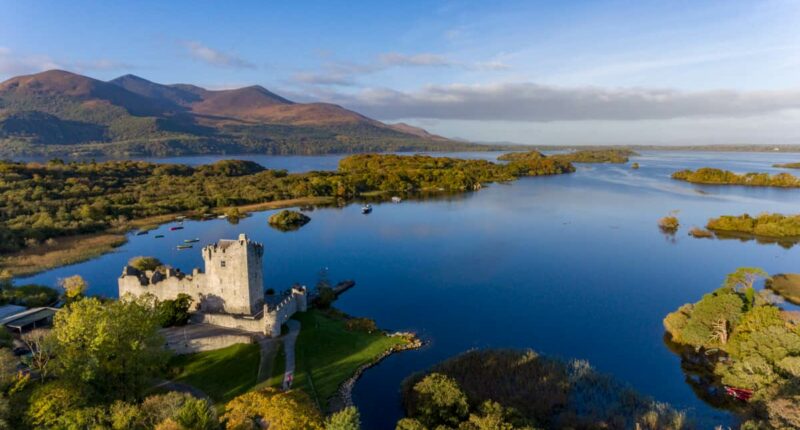
Visit popular spots, such as Slea Head or Ross Castle, earlier or later in the day for a quieter experience.
Central – Dingle, Clare & Galway
How do I get to Dingle and the Central section of the Wild Atlantic Way?
The Dingle Peninsula is located at the westernmost corner of Ireland, and the nearest airport is Kerry Airport.
Being a regional airport, Kerry offers limited flight routes and is often only suitable for travellers coming from London, Manchester, or Dublin.
If you are coming from elsewhere, we therefore recommend flying to Cork to begin your adventure along the central section of the Wild Atlantic Way. Dingle is approximately a 2.5-hour drive from Cork, but this journey often feels a lot quicker thanks to the beautiful scenery and well-maintained roads.
Alternatively, if you would prefer to begin your road trip closer to Galway, you could fly to Dublin and drive across from the east. Again, the drive between Dublin and Galway is approximately 2.5 hours.
How long should I spend exploring the Central Wild Atlantic Way from Dingle to Galway?
The short answer: as long as you can. Most people who explore the central Wild Atlantic Way will split their time across three to four locations, and we recommend spending at least two nights in each spot. This not only allows you to fully immerse yourself in local culture, but it also means that you are not checking in and out every day.
While the Wild Atlantic Way route can be driven relatively quickly, we think a road trip this beautiful deserves to be enjoyed at a more leisurely pace. Our travel specialists will be delighted to create a customised itinerary for you, which we can tailor depending on your interests and timeframe.
What are the must-see sights along the Central section of the Wild Atlantic Way?
The central section of the Wild Atlantic Way boasts some of the most spectacular natural scenery in Ireland and includes many of the top attractions of the whole route. We’ve collated some of our favourite spots below:
Cliffs of Moher, Co. Clare – Perhaps the most iconic natural attraction of the entire Wild Atlantic Way, the towering Cliffs of Moher are a must-see for any visitors to County Clare. Located a short drive from Doolin, these cliffs are easy to access and well signposted. Pop into the on-site visitor centre to learn all about the art, music, and folk tales inspired by these cliffs. The Cliffs of Moher are also one of Ireland’s most vital bird-breeding sites and are home to a wide variety of birds. As this is a popular destination, we would recommend visiting the Cliffs of Moher in the morning to beat the afternoon crowds.
Slea Head Drive & Blasket Islands, Dingle Peninsula – This is a bucket-list experience for any visitor to the southern section of the Wild Atlantic Way. This circular scenic route is approximately 24 miles (38 km) long and starts and ends in Dingle Town, making it easy to include for anyone visiting the area. We recommend following this route in a clockwise direction due to the narrow, winding roads. While the loop can be completed in an hour without stops, we think the scenery is too beautiful to rush past and recommend allowing two to three hours to enjoy this trip. Dunmore Head, a popular stop along this route, offers close-up views of the Blasket Islands and even distant views of the Skellig Islands on a clear day. For those eager to experience the Blasket Islands from another angle, boat trips run regularly from Dingle Pier.
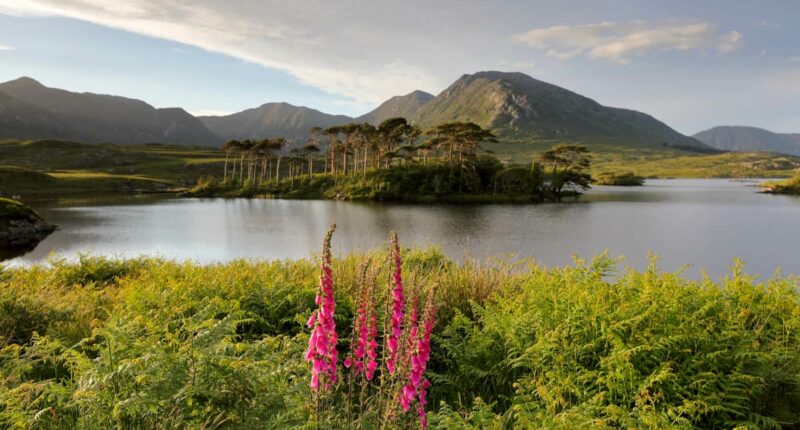
Connemara National Park – Situated in County Galway, Connemara National Park encompasses 2,000 hectares of woodland, heathland, and mountain ranges. Well-marked walking trails cater to all levels, from gentle woodland strolls to challenging summit hikes with panoramic views. Wildlife such as Connemara ponies, red deer, and birds of prey roam freely.
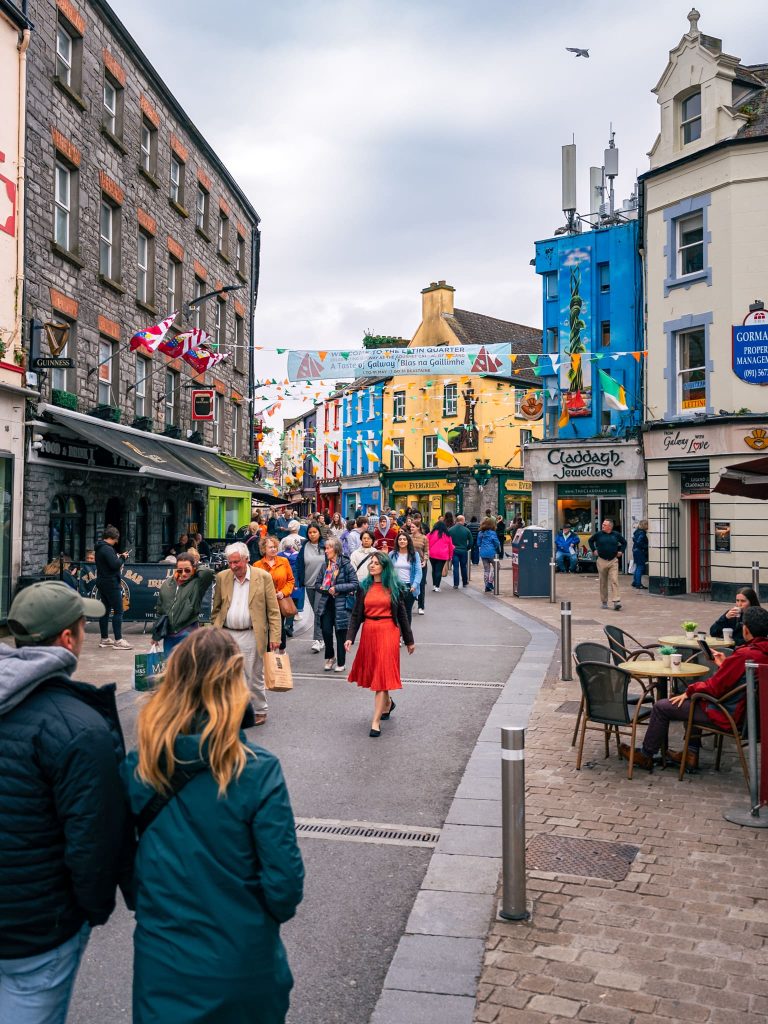
Galway streets – Galway’s vibrant streets are alive with colour, music, and constant movement. Buskers line the cobbled lanes, filling the air with traditional tunes, while cafés, pubs, and independent shops spill out onto the pavement. Quintessential Irish pubs serve hearty local dishes, while award-winning restaurants showcase seasonal produce from nearby land and sea. Food markets add to the mix, making Galway a place where great food is woven into everyday life.
Where are the best beaches to visit in Clare and Galway?
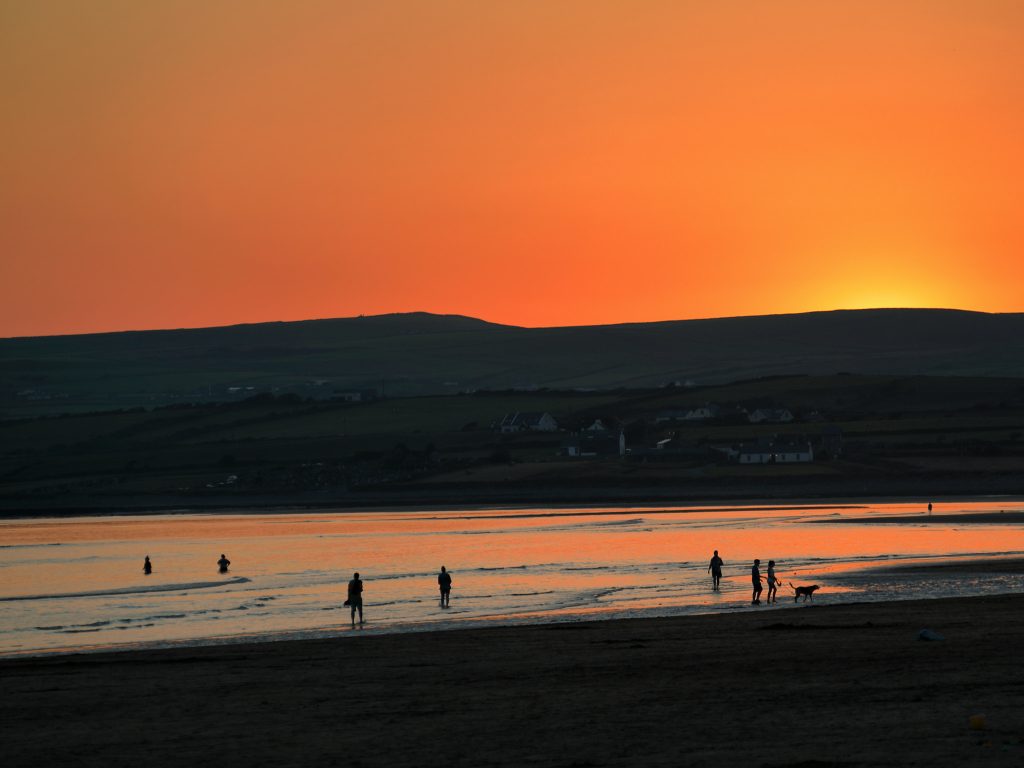
This section of the Wild Atlantic Way is home to some of Ireland’s most beautiful and varied beaches. In County Clare, Lahinch Beach is a long, sandy stretch popular with surfers and perfect for a coastal walk, while Fanore Beach offers a quieter, more rugged setting with limestone backdrops and rock pools to explore.
In County Galway, Dog’s Bay and Gurteen Bay near Roundstone are both stunning sandy beaches with clear, turquoise waters and sweeping views – ideal for picnics, gentle strolls, or simply taking in the scenery.
Closer to Galway city, Silver Strand offers a sheltered bay with calm waters and views across Galway Bay to the Aran Islands, making it a peaceful spot to relax or enjoy a seaside walk.
Is it easy to drive around the Central Wild Atlantic Way region?
Driving the Wild Atlantic Way can seem daunting, with some narrow roads and busy towns to navigate along the route. Thanks to the well-maintained roads and courteous locals, however, many people happily explore the route with ease.
Road signs are easy to follow, and the Wild Atlantic Way discovery points are clearly marked, meaning you don’t need to worry about missing anything on your way. Be sure to ask your hosts for local driving tips when planning your day – they will be happy to help.
Where are the best places to eat and drink in Dingle, Clare and Galway?
ArdBia at Nimmos, Galway City – Blending locally sourced ingredients with inventive Irish cuisine, ArdBia at Nimmos offers an intimate dining experience in Galway City. Housed in a charming, rustic space by the Spanish Arch, the restaurant is known for attentive service, seasonal dishes, and a cosy atmosphere, making it a perfect stop for food lovers seeking authentic flavours.
Out of the Blue, Dingle – A true seafood lover’s paradise in Dingle, Out of the Blue serves freshly caught fish and shellfish straight from the Atlantic. With a casual, friendly vibe, dishes are prepared simply to highlight natural flavours. Expect daily specials, generous portions, and a genuine taste of Ireland’s west coast in every bite.
Tigh Neachtain’s Pub, Galway City – Tigh Neachtain’s is a historic, character-filled pub tucked away in Galway City’s Latin Quarter. Known for traditional music sessions, hearty pints, and cosy corners, it captures the very essence of Irish pub culture. Its welcoming atmosphere makes it a favourite for locals and visitors seeking authentic evenings filled with music and stories.
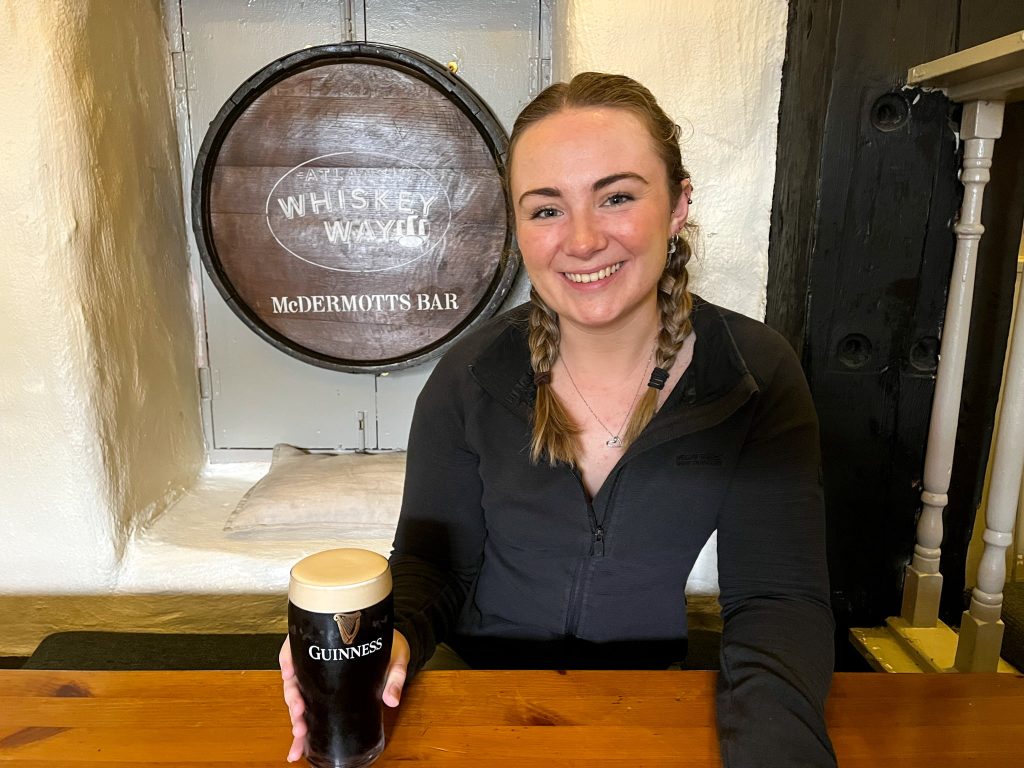
McDermott’s Pub, Doolin – McDermott’s Pub draws nightly crowds for its lively live music sessions. Its intimate, friendly setting embodies the spirit of west Clare, where locals and tourists mingle over pints of Guinness. They also serve a delicious menu of classic, warm, and tasty pub food.
Any tips for visiting the Central Wild Atlantic Way section?
To help you explore the Central Wild Atlantic Way with ease, here are a few of our top tips:
Start early for popular spots. Iconic locations like the Cliffs of Moher can get busy by late morning. Arriving early or later in the afternoon gives you space to enjoy the views and better light for photos.
Smaller places like Doolin and Kinvara are full of character. Stop to explore local cafés, traditional music sessions, and artisan shops instead of rushing through. They are all part of the Wild Atlantic Way experience.
The west coast of Ireland is known for unpredictable weather. Bring layers, waterproofs, and sturdy footwear so you’re ready for walks along cliffs, beaches, or coastal trails.
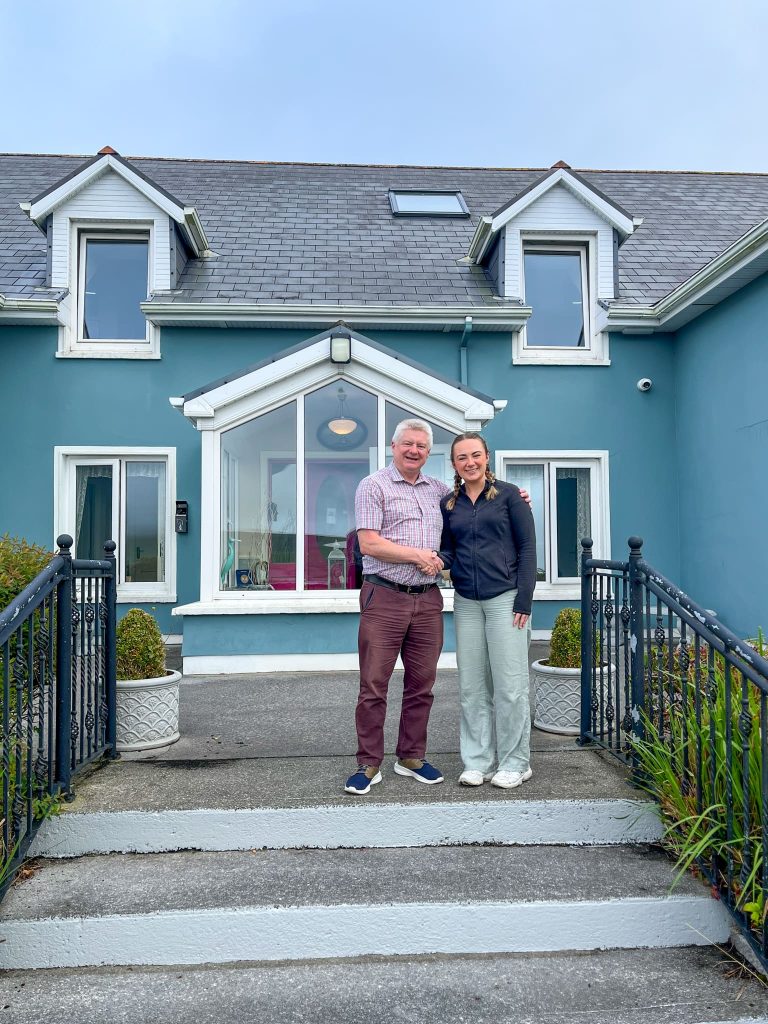
Be sure to speak to your hosts during your time in Ireland. Locals, B&B owners, and tour guides often have the best insider tips on hidden spots, quiet trails, or where to catch live music. Asking for recommendations can make your trip even better, and locals will always be delighted to help.
North – Westport, Sligo & Donegal
How do I get to Westport to start the Northern Wild Atlantic Way section?
If you are planning to focus on the rugged northern section of the Wild Atlantic Way, the picturesque town of Westport will likely be your starting point. If you are arriving on a short-haul flight, the nearest airport would be Knock Airport, just a 50-minute drive from Westport.
As Knock is one of the smaller airports in Ireland, you may find that the flight schedule does not align with your holiday plans. In that case, you have the excellent opportunity to fly into Dublin, perhaps enjoy a few nights in the capital before making your way to the west coast.
For those coming from further afield, Dublin is also likely to be your best option, offering plenty of international flights daily. From here, you can make the most of the main roads as you cross Ireland.
If you are looking to break up the drive, there are some great places that you could stop along the way. A few of our recommendations include:
Athlone – about halfway through the drive, the town of Athlone offers a great place to stop for lunch or a walk around Athlone Castle.
Galway – whilst it is a short detour off the route, you could take this opportunity to drive into the cultural hub of Galway.
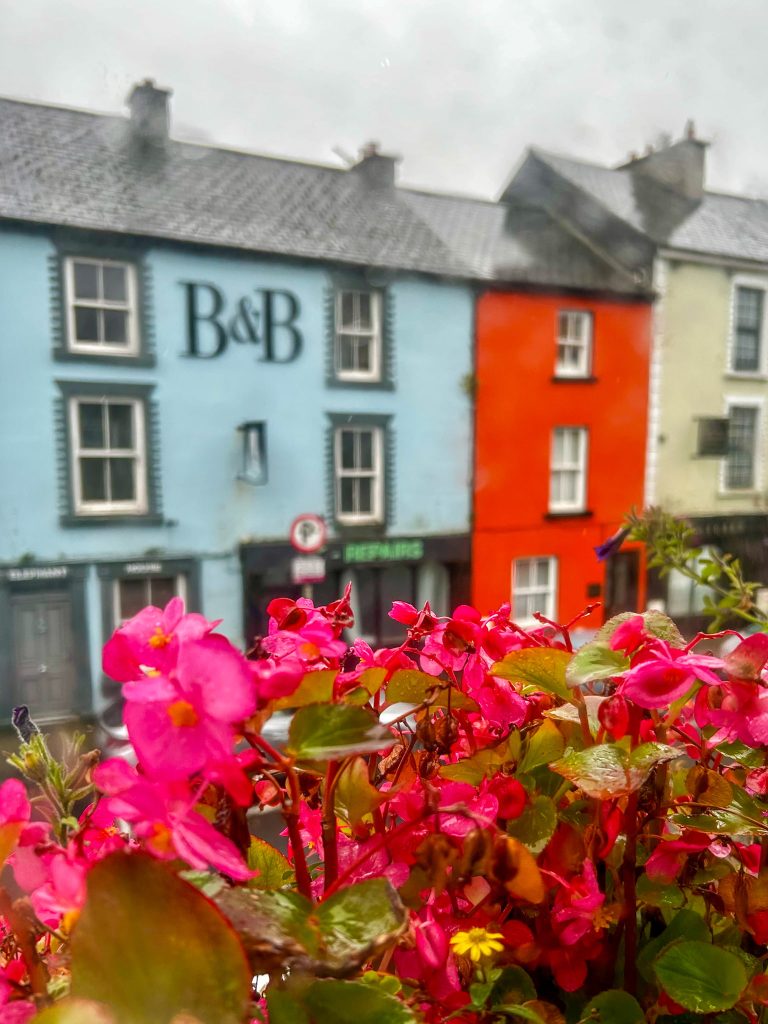
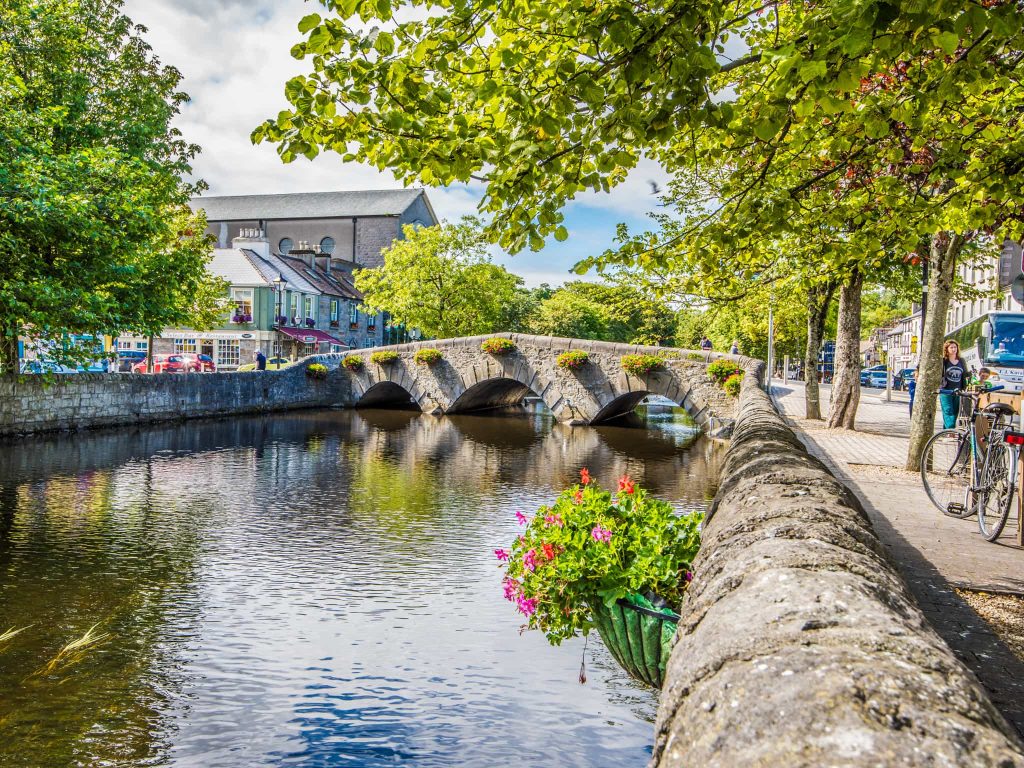
On arrival in Westport, you can expect to be welcomed with true Irish charm and no shortage of incredible live music to enjoy. With its colourful streets and Georgian architecture, this vibrant town is the perfect place to start your adventure.
How long should I spend exploring the Northern Wild Atlantic Way from Westport to Lough Swilly?
Of course, there is no right or wrong answer here. You could easily fill several weeks exploring the Northern Wild Atlantic Way. However, we would certainly recommend allowing at least six nights to explore Westport, Sligo and Donegal. This makes it a perfect section to explore on a week-long holiday.
By allowing yourself six nights, you can enjoy our suggested itinerary, which recommends spending two nights in Sligo, Donegal Town, and north County Donegal. This will ensure that you have time to enjoy the journey between each location (with time for a few sightseeing detours) and have a full day to really enjoy what each county has to offer.
If you have more time than you would like to spend exploring from Westport to Lough Swilly, our advice would be to add some additional time in Westport. While the north has plenty to explore, it would be a shame to visit Westport only in passing as your starting point for this road trip.
As always, if you have any questions about tailoring your perfect itinerary, do not hesitate to get in touch with our experts.
What are the must-see sights along the Northern Wild Atlantic Way?
Known for its dramatic cliffs, extraordinary landscapes, and charming towns, you are sure to have a wonderful visit here. A few of our must-see sights between Westport and Lough Swilly include:
Achill Island – from sweeping beaches and sea cliffs to the historic ruins, you could easily spend a full day exploring the beauty of Achill Island.
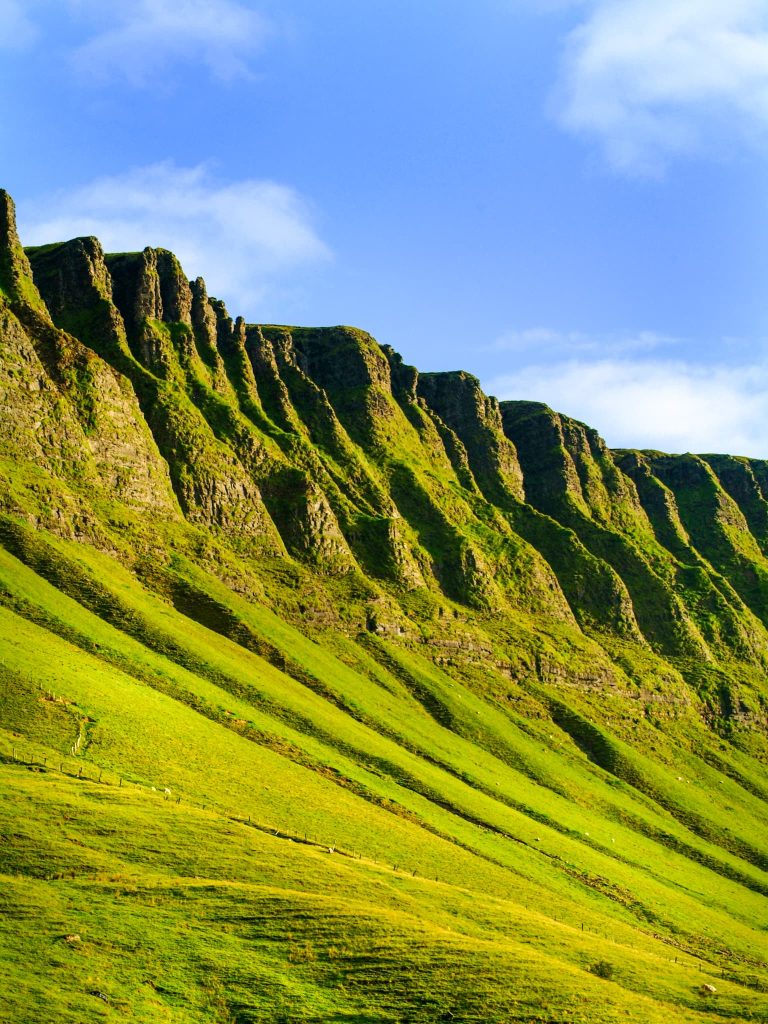
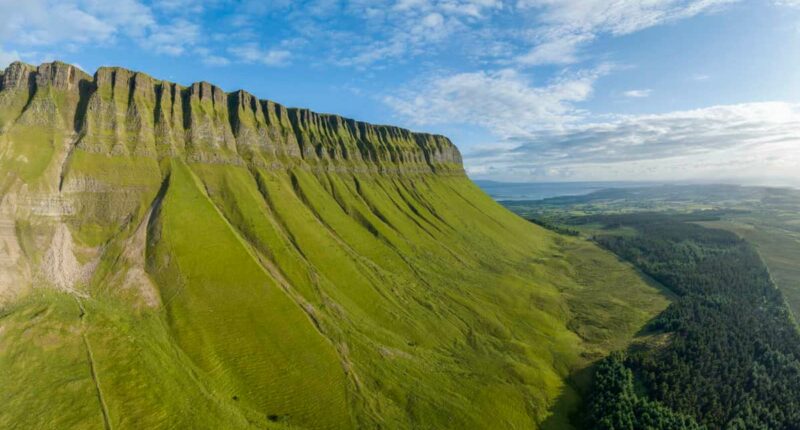
Benbulben Mountain – located in Co. Sligo, Benbulben Mountain offers a distinct tabletop outline with striking landscapes. A great place to enjoy a forest walk.
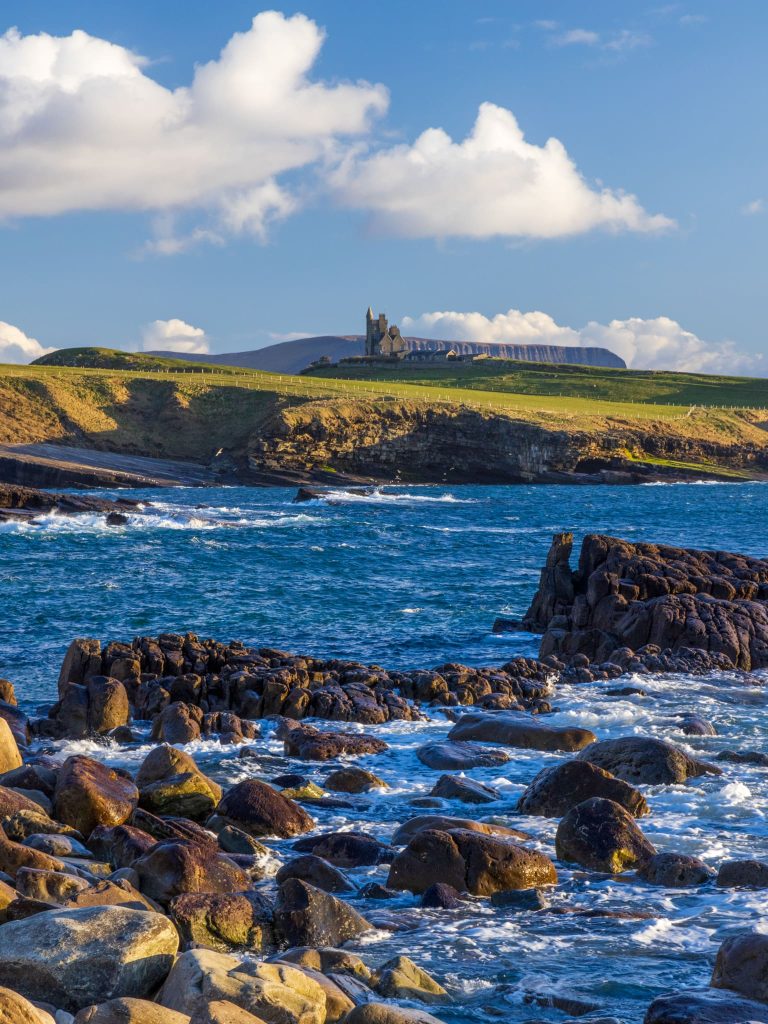
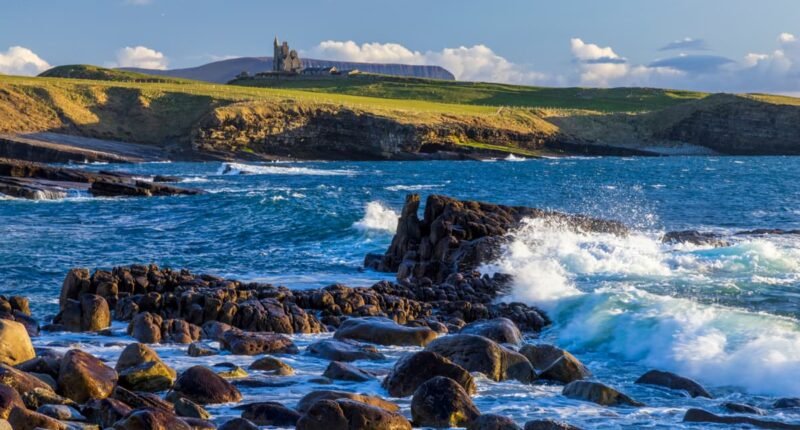
Mullaghmore Head – one of the Wild Atlantic Way’s signature discovery points, this headland offers interesting rock formations and views to Classiebawn Castle.
Slieve League Cliffs – among the highest sea cliffs in Europe, Slieve League is a world-renowned attraction offering incredible panoramic views.
Malin Head – be sure to finish your Wild Atlantic Way road trip with a visit to Ireland’s most northerly point. The views from this Napoleonic lookout tower are not to be missed.
Where are the best beaches to visit in Sligo, Donegal and Mayo?
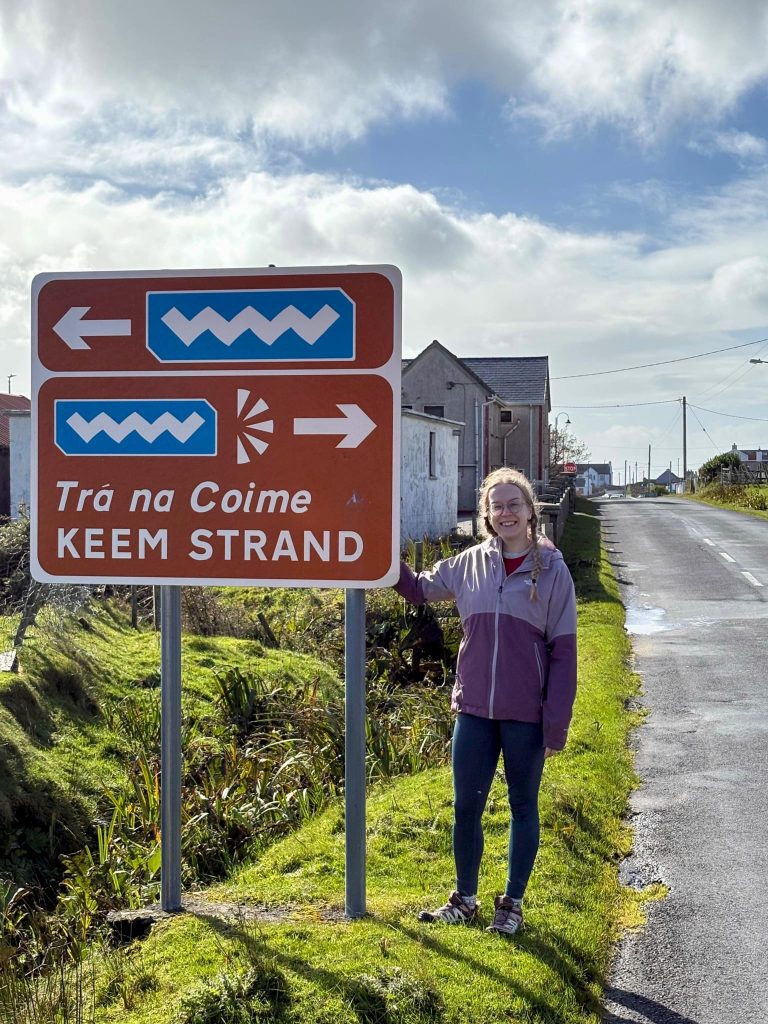
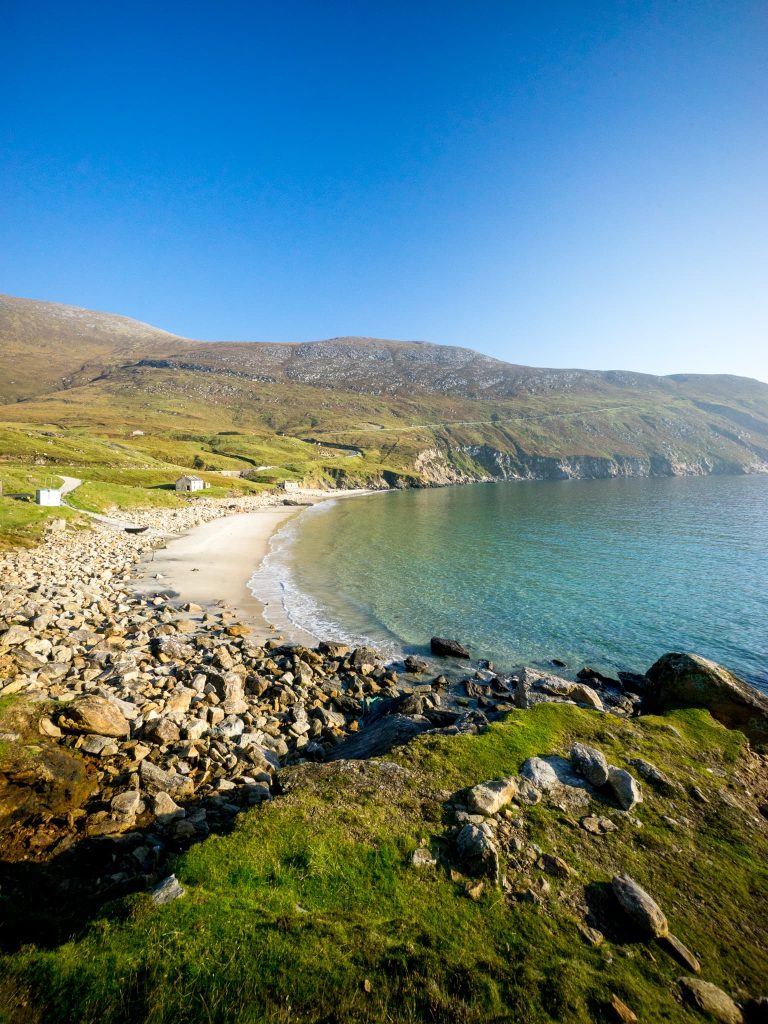
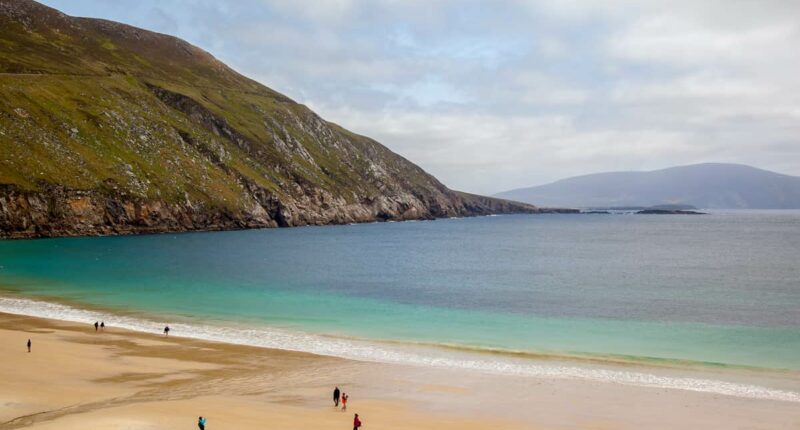
This stretch of the Irish coastline has no shortage of stunning beaches, but of course, it is impossible to include them all in your Wild Atlantic Way road trip. If you are looking for our advice, in Co. Mayo, head straight for the beaches of Achill Island. Keem Bay is a standout, but make sure to visit early in the day, as parking is limited.
If you are keen to explore Sligo beaches, Strandhill is a local favourite. Spanning almost 11 km, it is the perfect place for a beach stroll, and as a popular surfing destination, you may get to enjoy some entertainment along the way. Meanwhile, in Donegal, Silver Strand in Malin Beg is beautifully picturesque with its horseshoe-shaped bay.
Is it easy to drive around the Northern Wild Atlantic Way?
Yes. You will find it nice and easy to navigate around the northern section of the Wild Atlantic Way.
Driving in Sligo and Donegal, you can enjoy wider roads and excellent signposting. As you head out towards the sightseeing opportunities in these counties, expect to find more single-track roads and a few winding sections as you climb to a stunning viewpoint. Taking your time on these roads will ensure the most enjoyable experience.
Where are the best places to eat and drink in Westport, Sligo and Donegal?
As with the rest of the Wild Atlantic Way, the north-west offers some wonderful cuisine, often celebrating the local produce on offer.
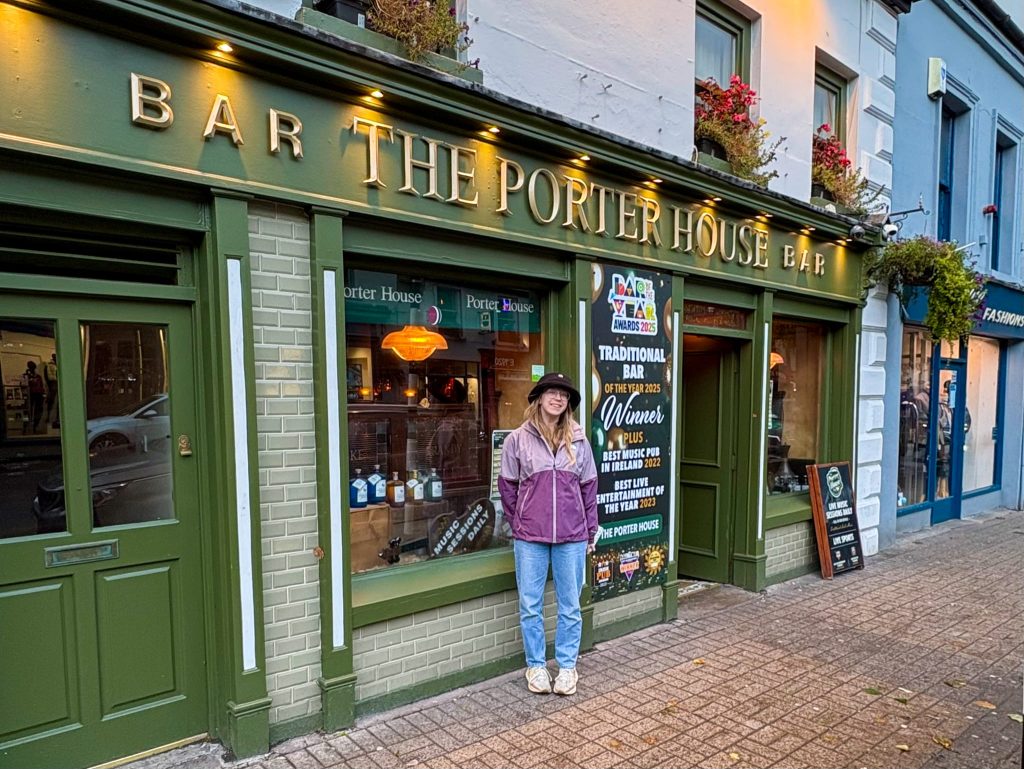
Westport is known for its lively pubs, with many along Bridge Street offering live music seven nights a week. We would definitely recommend a visit to The Porter House, Westport’s home of trad music, and JJ O’Malley’s, where live music meets incredible Irish cuisine.
As you continue your road trip north, our itinerary will be sure to highlight all of the best restaurant options along the way. To make sure that you don’t miss out on our favourites, we have included a couple of highlights below:
Flipside, Sligo – a favourite among tourists and locals alike, serving elevated burgers and some seriously good sides
The Harbour, Donegal Town – a family-owned seafood restaurant bringing fresh produce in a charming setting
The Ubiquitous, Buncrana – a contemporary Irish menu that can be paired with their lovely cocktails
Any tips for visiting the Northern Wild Atlantic Way section?
Here are a few quick tips to help you make the most of this spectacular region:
Don’t underestimate the drive times along this section. With plenty of single-track roads and scenic detours, make sure that you allow plenty of time as you take in the stunning drives in the north-west of Ireland.
Most of the sightseeing that you will do in this region will be outdoors. With weather conditions changing quickly along the coast, we would always recommend having a waterproof layer in your car, even on the sunniest days. This will ensure that the weather doesn’t get in the way of the incredible sightseeing on offer.
Opt for the road less travelled. Whilst it can be tempting to follow the larger, main roads around the Wild Atlantic Way, some of the best sights you’ll see will be in the quieter areas off the beaten track.
Discover the Wild Atlantic Way with Absolute Escapes
With our travel specialists’ knowledge and passion, we are here to create an itinerary that makes the best of your time in Ireland. From hand-picked accommodation to information on all the must-see stops along the way, we’ll ensure that you leave the Emerald Isle with unforgettable memories.